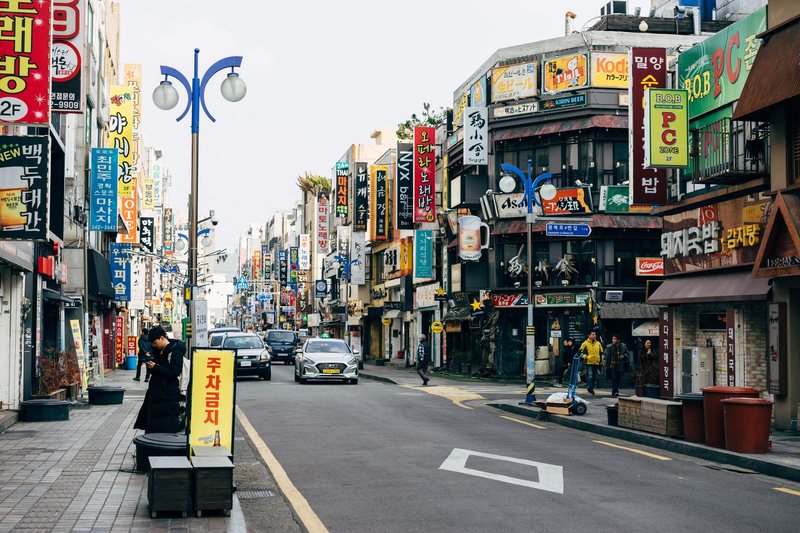
What are the Korean culture references in KPop Demon Hunters? The short answer: the Saja Boys are dressed as 저승사자 (jeoseung saja), the messengers who lead the dead away in Korean folk belief. Derpy and Sussie stepped out of a Joseon-era folk painting. The hunters' singing comes from real shamans called 무당 (mudang). And the film's Seoul is a city you can walk. Then there are the details fans abroad tend to miss, like a napkin under the chopsticks.
The film comes from Sony Pictures Animation, was directed by Maggie Kang and Chris Appelhans, and reached Netflix on June 20, 2025. Deadline's tally of Netflix reports, cited by NME, puts it at 648.7 million views through the first half of 2026, ahead of every other film. “Golden” spent eight weeks at No. 1 on the Billboard Hot 100, and Good Morning America reported Oscars for both the film and the song in March 2026. Koreans just call it 케데헌 (Kedeheon).
Why the Saja Boys dress like grim reapers
The band's name is a pun. 사자 (saja) can mean lion, but it can also mean messenger, and the Encyclopedia of Korean Culture describes a jeoseung saja as the go-between who takes the dead to the afterlife. The Korea Times adds that these figures work under King Yeomna, ruler of the underworld, which makes them something like civil servants of death.
Koreans know the black hat from television. According to the encyclopedia, the familiar black coat, 갓 (gat, the traditional horsehair hat) and pale face are from the KBS ghost series 전설의 고향 (Jeonseorui Gohyang), which The Korea Times says cemented the look in the 1970s and '80s. In shaman rituals, the messenger looks more like a foot soldier.
Older customs treat these messengers almost like tired travelers. The encyclopedia records 사자밥 (saja-bap, a meal for the messengers) set outside the gate right after a death, and in southern Gyeonggi Province, rice, straw shoes and coins were laid out for them. Now picture that figure as a boy band. That is the joke Korean viewers get right away.
Derpy and Sussie come from a painting that mocks the powerful
The goofy tiger and the many-eyed magpie come from 작호도 (jakhodo, also called hojakdo), the tiger-and-magpie picture. According to the Encyclopedia of Korean Culture, the theme reached Korea around the Imjin War of the 1590s and became a favorite of folk painters in the 19th century. The basic symbolism is simple: the tiger blocks misfortune and the magpie is a good omen.
Then folk painters added satire. The tiger can stand for a corrupt official and the magpie for ordinary people, and the big cat looks foolish, cowed by a small bird. So Derpy's bulging eyes and lolling tongue are no modern gag. The derp is the tradition. The film adds a new layer: Sussie wears a tiny gat, and Jinu explains that he made it for the tiger but the bird keeps taking it. To our eyes, a commoner's bird stealing a nobleman's hat is the same old joke.
The Los Angeles Times reported that the National Museum of Korea's gift shop sold out of a tiger pin, and the museum holds a Joseon-era tiger-and-magpie painting. Subway exits, hours and a taxi card are in the Getting there guide at the end.
Why singers fighting demons makes sense in Korea
Speaking toVariety, Kang pointed to the mudang, Korea's shamans, who used music and song to ward off demons, and said their rituals were, in a way, the first concerts in Korea.
Mudang are real, and they still work today. The encyclopedia defines a mudang as a religious specialist who serves the spirits and leads 굿 (gut) rituals. A gut is a rite in which the shaman invites, welcomes and sends off spirits, with percussion-led music, song and dance. It has been held to heal the sick, guide the dead and keep misfortune away from a village. Most of the people who lead these rites are women, though on Jeju men and women both do.
The film takes liberties: a real gut is closer to hosting spirits than fighting them, and this is a living religion, not a superhero origin story. The props, though, are borrowed with care.The Korea Times notes that Zoey's twin blades are based on the 신칼 (sinkal), a shaman's ritual knife, and Rumi's sword on the 사인검 (saingeom), a four-tiger sword for slaying evil.
The Honmoon is another matter. 혼 (hon) means soul and 문 (mun) means gate, but we could not find a traditional rite or barrier by that name in Korean reference works. Treat it as movie magic built from real words.
The Seoul you can actually walk
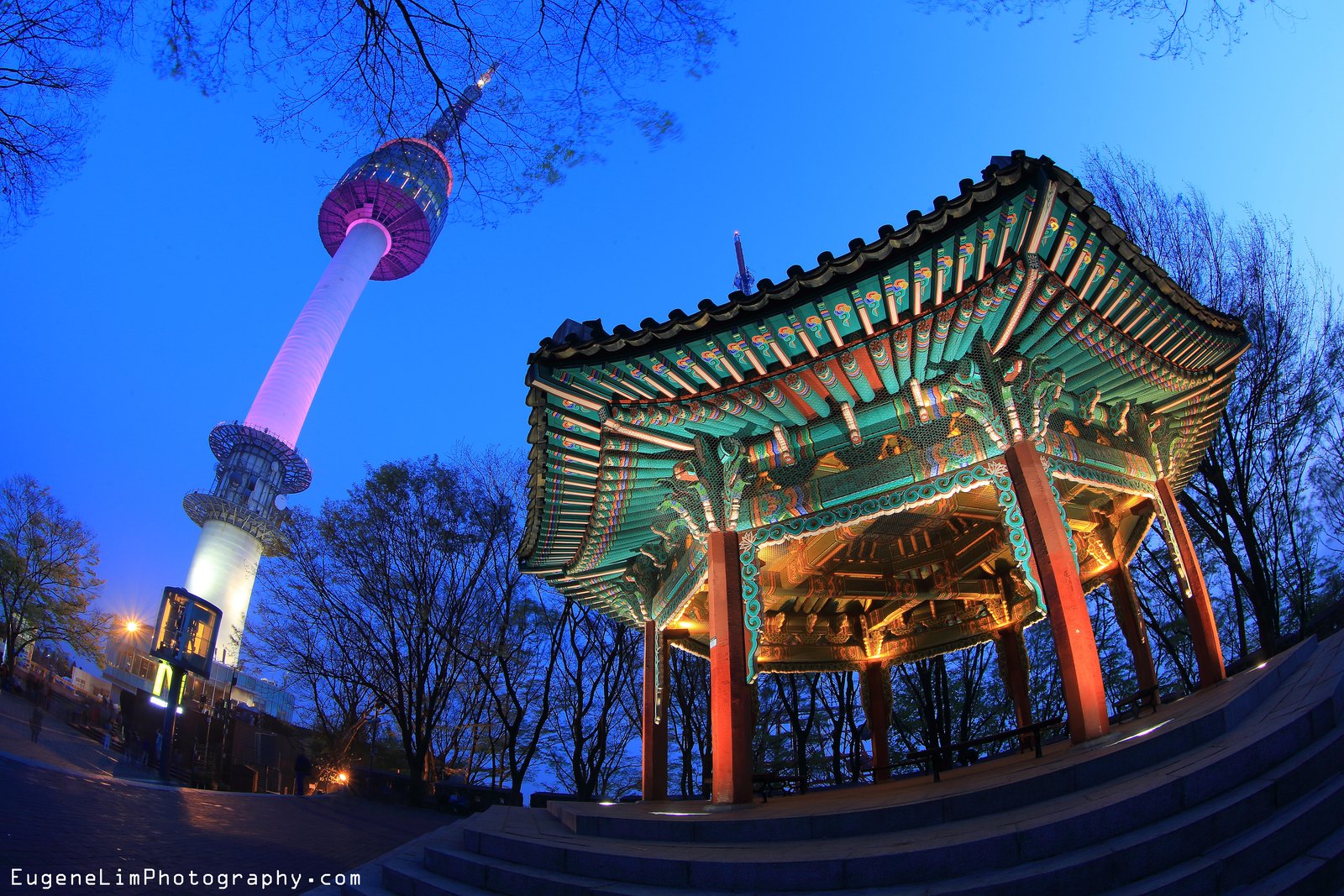
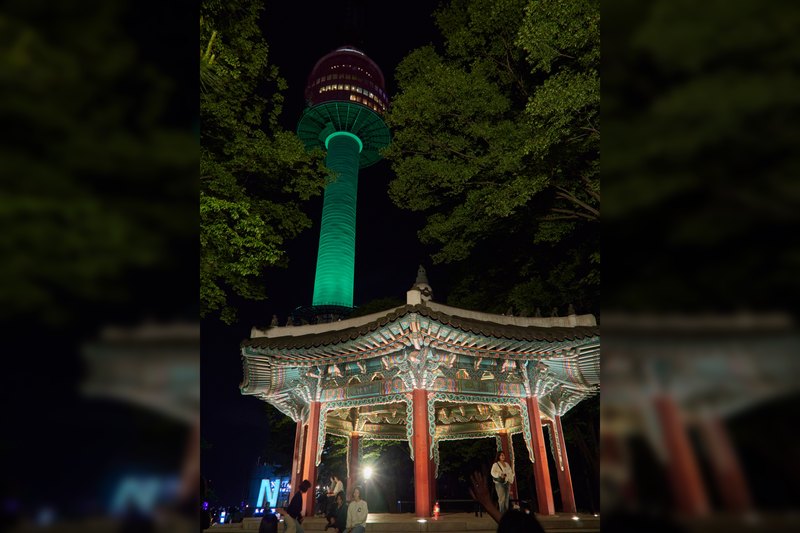
Netflix's locations guide maps much of the film. The opening skydive drops into Seoul Olympic Stadium, and “Golden” fills the giant screen at Coex K-Pop Square. Rumi and Jinu meet in Bukchon Hanok Village and again at Naksan Park, whose ridge, AFP noted, carries parts of the 18.6-kilometer wall built around the old capital.
The stadium beneath N Seoul Tower is fictional, as Netflix's guide confirms. Bukchon is also a neighborhood where people live, so tourists may enter its red zones only from 10:00 to 17:00, The Korea Times reports.
The food and table manners Koreans noticed
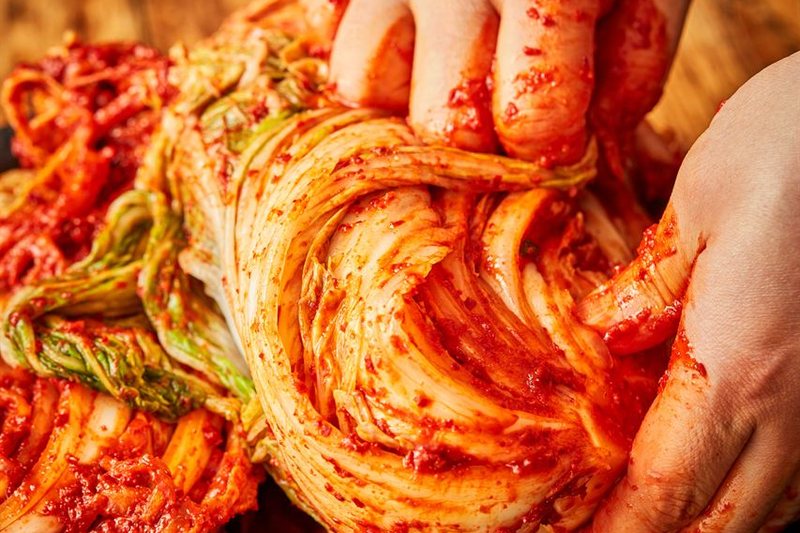
Kang told Salon she gave the crew one harsh rule: kimchi could sit on the table, but nobody should say the word, because it is a cliched way to show Koreans. She called 설렁탕 (seolleongtang, ox-bone soup) a must, and Netflix's food guide lists 깍두기 (kkakdugi, cubed radish kimchi) beside it, which is how that soup arrives in Korea.
Salon describes Rumi inhaling a roll of gimbap instead of eating it in slices, the way most of us do, and Appelhans said they treated it like a corn dog. The Los Angeles Times noted that the film pronounces ramyeon the Korean way. Those scenes reached real life too: foreign gimbap purchases jumped at Korean convenience stores.
The detail that makes Koreans grin is smaller. At a restaurant table, the hunters' utensils rest on a napkin, which The Korea Times calls a familiar habit and the Los Angeles Times an essential ritual. The same paper spotted the hunters sitting on the floor of a private jet with a sofa right beside them.
Korean insider tip: Copy that napkin move at any Korean restaurant. Look for the cutlery box or the drawer built into the table, lay a paper napkin at each seat, and set a spoon and chopsticks on top for everyone. Then pour the water. The youngest person usually does this unasked, as our metal chopsticks guide explains. If someone beats you to it, just say 감사합니다 (gamsahamnida, thank you).
How to watch KPop Demon Hunters with Korean eyes
- Where: it streams on Netflix, which also carries a separate Sing-Along version.
- Audio: iMBC reported that English and Korean dubs are both available, so check your audio menu.
- Pause on: the Idol Awards stage behind “Golden.” The Korea Times says it evokes 일월오봉도 (irworobongdo), the sun, moon and five peaks screen that stood behind Joseon thrones.
Quick answers
What Korean culture references are in KPop Demon Hunters?
The biggest are jeoseung saja (the Saja Boys), jakhodo paintings (Derpy and Sussie), mudang shamans and gut rituals, Seoul landmarks, and everyday food and table habits.
What does Saja mean in KPop Demon Hunters?
사자 can mean lion or messenger. Here it points to the jeoseung saja, who leads the dead to the afterlife.
Is KPop Demon Hunters a Korean movie?
No. It is an American production from Sony Pictures Animation for Netflix, co-directed by Korean Canadian filmmaker Maggie Kang. Its setting and folklore are Korean, which confuses many viewers.
Getting there
National Museum of Korea 국립중앙박물관
- Subway
- Line 4 or Gyeongui-Jungang Line, Ichon Station, Exit 2, then walk to the museum's west gate
- Hours
- Mon, Tue, Thu, Fri, Sun 09:30–17:30; Wed, Sat 09:30–21:00; last entry 30 minutes before closing. Closed Jan 1, Seollal and Chuseok; galleries also close the first Monday of March, June, September and December
- Admission
- Free, except special exhibitions
- Tip
- The collection includes a Joseon tiger-and-magpie painting (Dongwon 2613), but its collection page names no gallery, so check what is on view before you go
Checked on November 7, 2026; confirm on the official site before you go.