Language
Language collects the Korean words and phrases that don’t translate neatly: the ones you hear in every drama, the reactions Koreans use a hundred times a day, and the expressions that carry a whole attitude in two syllables. Each story explains what the word really means, when it is polite or rude to use it, and how it sounds when Koreans say it.
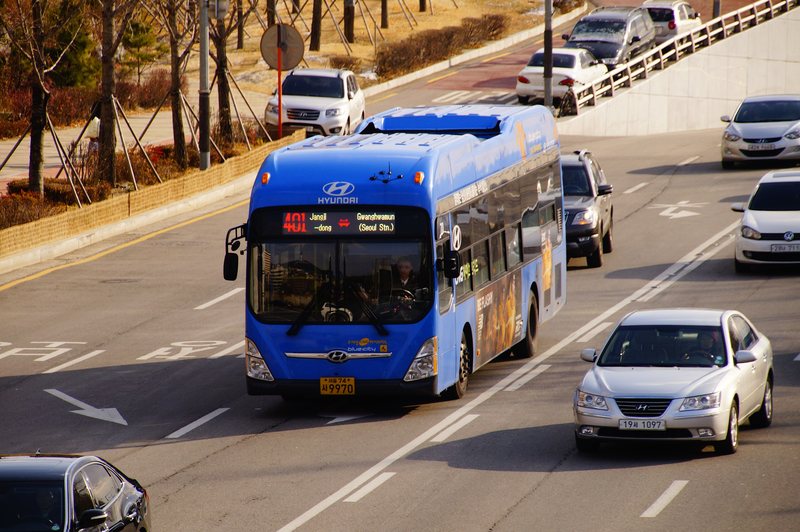
Why Saying 3:30 in Korean Takes Two Number Systems
Korean has two full sets of numbers, and a single clock time can use both. Here's which set goes where, from the hour to the bus fare.
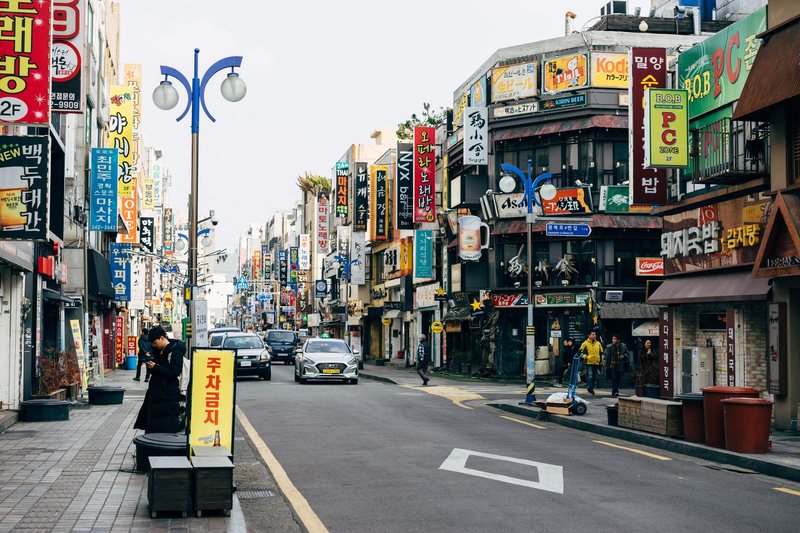
Why Busan Korean Sounds Like a Fight (Even When It's a Hello)
To outsiders, Busan speech can sound like an argument. Blame pitch, not temper. Here is how Korea's dialects work, and why Jeju's barely counts as one.
Nearly Half of Korea Is a Kim, Lee or Park. Here's Why
One in five Koreans is a Kim, but not all Kims are one family. The story involves forged family trees, a 1909 law and a clan seat no ID card shows.
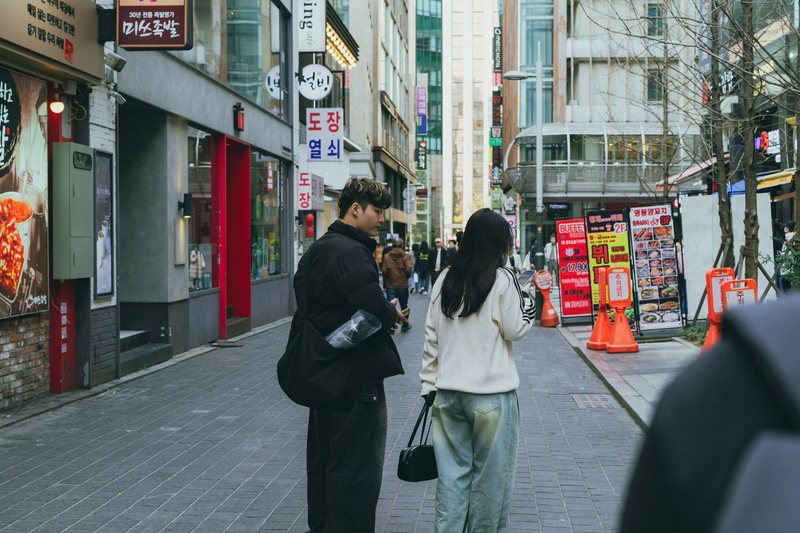
Jinjja? Jinjja! Jinjja…: The Korean Word That Flips With Your Tone
Koreans can say “really?”, “amazing!”, “come on” and “ugh” with the same two syllables. The trick is the melody, and it starts with jinjja.
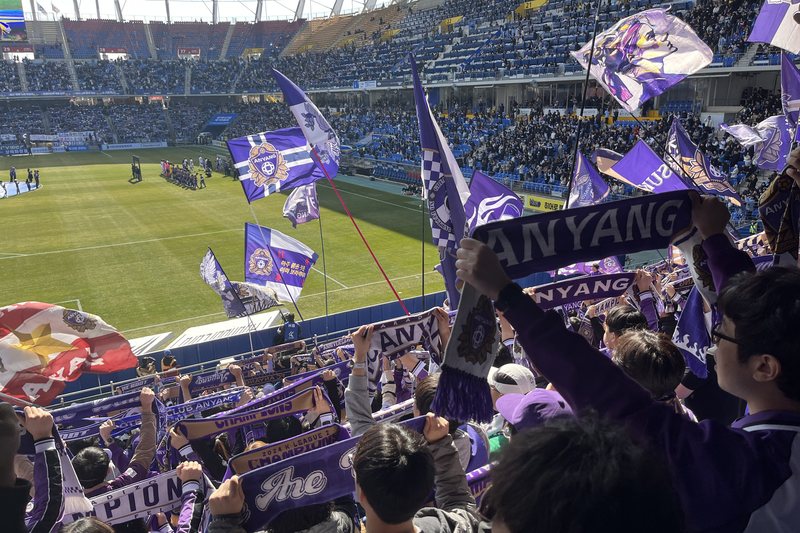
Why Koreans Shout ‘Fighting!’ When Nobody Is Fighting
It sounds like English, but no English speaker cheers this way. How “fighting” became Korea’s favorite pep talk, and what Koreans say instead.
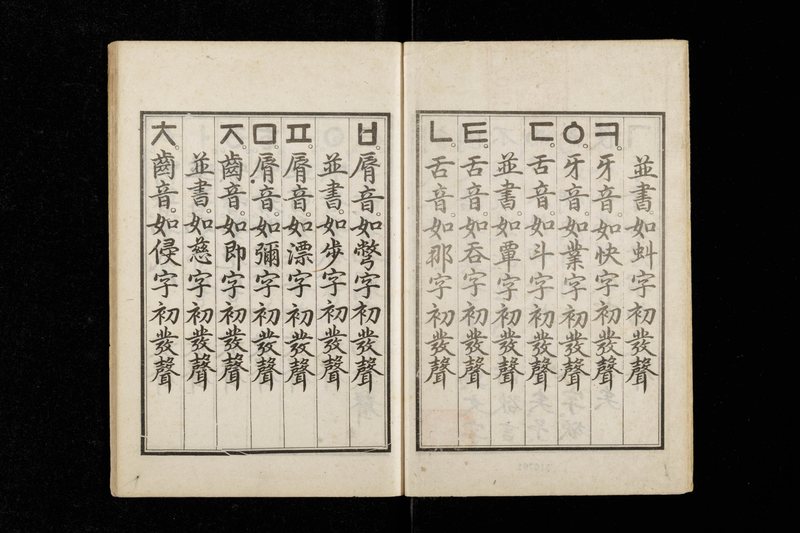
Hangul Day: The King Who Built an Alphabet Anyone Could Learn
Every October 9, Korea takes a day off to thank a 15th-century king. His gift was 28 letters drawn from the mouth, the sky and the earth.
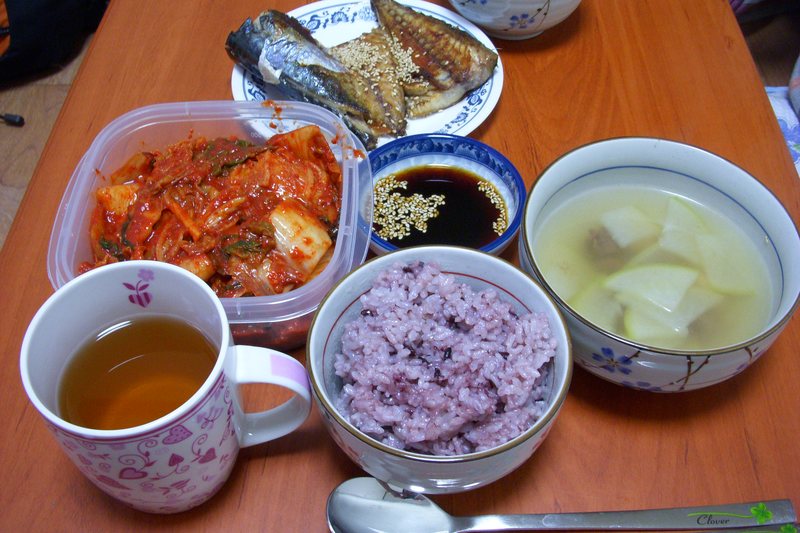
“Have You Eaten?” The Korean Greeting That Really Means “I Care”
In Korea, “Have you eaten?” is less a question about lunch than a way of saying hello, and of checking that you're okay.
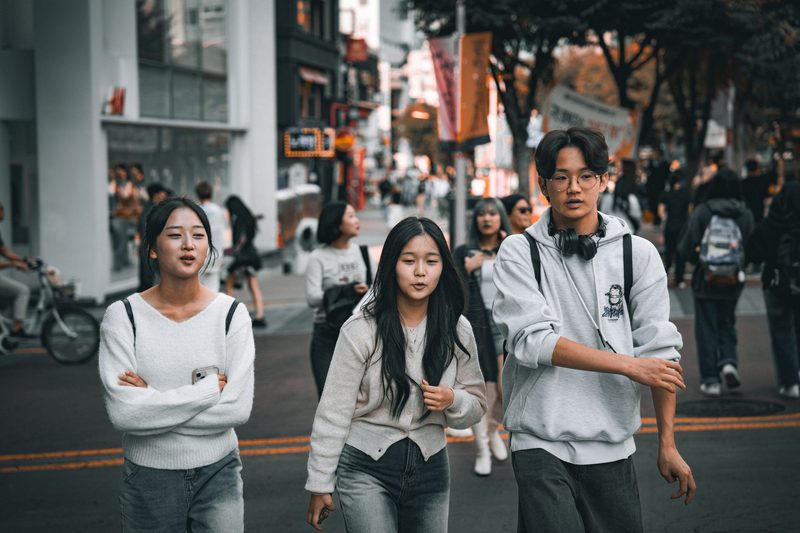
Oppa, Unni, Hyung, Noona: Why Koreans Call Friends Family
It means 'older brother' — but only when a woman says it, and it can mean much more. A guide to Korea's family words for friends.
The Korea Letter
Every Friday: the week’s new stories, explained by Koreans.