When to use Sino-Korean vs native Korean numbers comes down to one rule of thumb. Native Korean numbers (하나, 둘, 셋: hana, dul, set) count things and people, give your age in years and tell the hour on a clock. Sino-Korean numbers (일, 이, 삼: il, i, sam) handle minutes, dates, money, phone numbers, floors, bus routes and anything above 99. In practice, the little word that follows the number decides which set you need.
That is how an ordinary time like 3:30 turns into a two-system sentence: 세 시 삼십 분 (se si samsip bun). The “three” is native, the “thirty” is Sino-Korean, and Koreans switch halfway through without a second thought. For learners, it is often the moment Korean starts to feel like a prank.
Why Korean has two sets of numbers
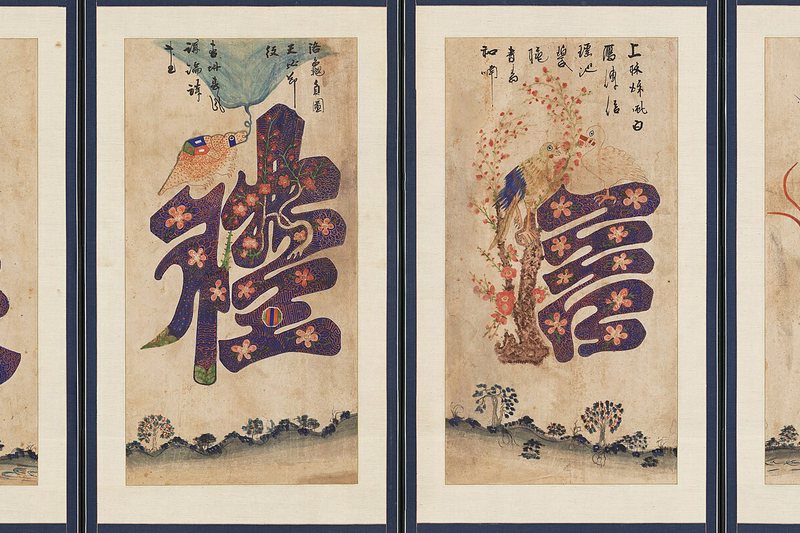
Both sets are completely Korean today, but they have different roots. The native numbers are old Korean words. The Sino-Korean ones are Korean readings of Chinese characters such as 一, 二 and 三, part of the large Sino-Korean vocabulary that grew after Chinese writing arrived, which a common account dates to around the 2nd century BCE. According to the Encyclopedia of Korean Culture, both sets are used from 1 to 99, but from 100 up, every number is Sino-Korean.
That explains the strangest gap. Native counting climbs from 열 (yeol, 10) through 스물 (seumul, 20) and 서른 (seoreun, 30) up to 아흔아홉 (aheunahop, 99), and then it simply stops. Old Korean did have 온 (on) for 100 and 즈믄 (jeumeun) for 1,000. The encyclopedia says on drifted to mean “whole” and jeumeun is no longer used; the National Institute of Korean Language lists jeumeun as an archaic word. You still hear that “whole” in 온종일 (onjongil, all day long). One explanation the encyclopedia offers is that Sino-Korean numbers took root before people needed big native ones, so today 100 is 백 (baek), 1,000 is 천 (cheon) and 10,000 is 만 (man).
When to use Sino-Korean vs native Korean numbers: follow the counter
Korean rarely leaves a number on its own. It adds a counter, a short word for the kind of thing being counted, and the counter chooses the number set. The Encyclopedia of Korean Culture describes it as a pairing rule: 16 years old is 열여섯 살 (yeollyeoseot sal) with the native counter 살, or 십육 세 (simnyuk se) with the Sino-Korean counter 세, but never a mix of the two.
- Native numbers: 개 (gae, things), 명 (myeong, people), 살 (sal, years of age), 시 (si, the hour on the clock), 시간 (sigan, hours of time), 잔 (jan, glasses), 병 (byeong, bottles), 마리 (mari, animals), 권 (gwon, books).
- Sino-Korean numbers: 분 (bun, minutes), 초 (cho, seconds), 년, 월, 일 (nyeon, wol, il: year, month, day), 원 (won), 층 (cheung, floors), 호선 (hoseon, subway lines), 세 (se, age in formal writing).
- One counter, two meanings: 두 번 (du beon) means “twice,” but 2번, read i beon, means “number two,” like a bus route or a ticket in a queue.
Four native numbers also shrink when a counter follows: 하나 becomes 한 (han), 둘 becomes 두 (du), 셋 becomes 세 (se) and 넷 becomes 네 (ne). Twenty does it too: 스무 살 (seumu sal), “20 years old.” So it is 한 개 (han gae), never hana gae. The most useful sentence in this article follows the same pattern: point at the menu or the display case and say 이거 두 개 주세요 (igeo du gae juseyo, “two of these, please”).
Korean insider tip: The first question at a Korean restaurant is often 몇 분이세요? (myeot bun-iseyo?). That 분 is not minutes. It is the polite word for people, so staff are asking how many are in your group. Answer with a native number and the counter 명: 두 명이요 (du myeong-iyo, “two people”), or just hold up two fingers. Staff may repeat it back politely as 두 분 (du bun).
The 3:30 trap: native hours, Sino-Korean minutes
Clock time is the classic mix. The hour takes a native number with 시: 한 시 (han si, 1:00), 두 시 (du si, 2:00), all the way to 열두 시 (yeoldu si, 12:00). Minutes and seconds take Sino-Korean. Put them together and 3:30 is 세 시 삼십 분, or the very common shortcut 세 시 반 (se si ban), “three and a half.” Add 오전 (ojeon, a.m.) or 오후 (ohu, p.m.) in front when it matters.
Lengths of time follow the same split. Two hours is 두 시간 (du sigan), native, while two minutes is 2분 (i bun), Sino-Korean. Big numbers drift toward Sino-Korean even with native counters, which is why a 24-hour store is usually read 이십사 시간 (isipsa sigan).
Age: native in conversation, Sino-Korean on paper
Your age in everyday speech is native plus 살: 25 is 스물다섯 살 (seumuldaseot sal), and the question is 몇 살이에요? (myeot sal-ieyo?, “how old are you?”). The Sino-Korean version, 이십오 세 (isibo se), is just as correct, but it belongs to forms, news reports and age-limit notices. Which number you count is another matter, since Korea made international age the legal standard in June 2023; our guide to Korean age untangles that.
Money: always Sino-Korean, counted in ten-thousands
Prices are Sino-Korean every time, followed by 원 (won). A ride on a Seoul city bus costs 1,500 won by transport card or in cash, according to the Seoul Metropolitan Government's fare table, in effect since August 12, 2023. Out loud, that is 천오백 원 (cheonobaek won). Notice what is missing: in speech, Koreans drop the “one” before 백, 천 and 만, so 100 won is 백 원, not ilbaek won.
The bigger trap is 만 (man), 10,000. Korean groups big numbers in blocks of four digits rather than three, so 50,000 is 오만 (oman), literally “five ten-thousands,” and 100,000 is 십만 (simman). The good news: the price on a menu is the price you pay, with no tip to work out on top.
Buses, phone numbers, floors and dates
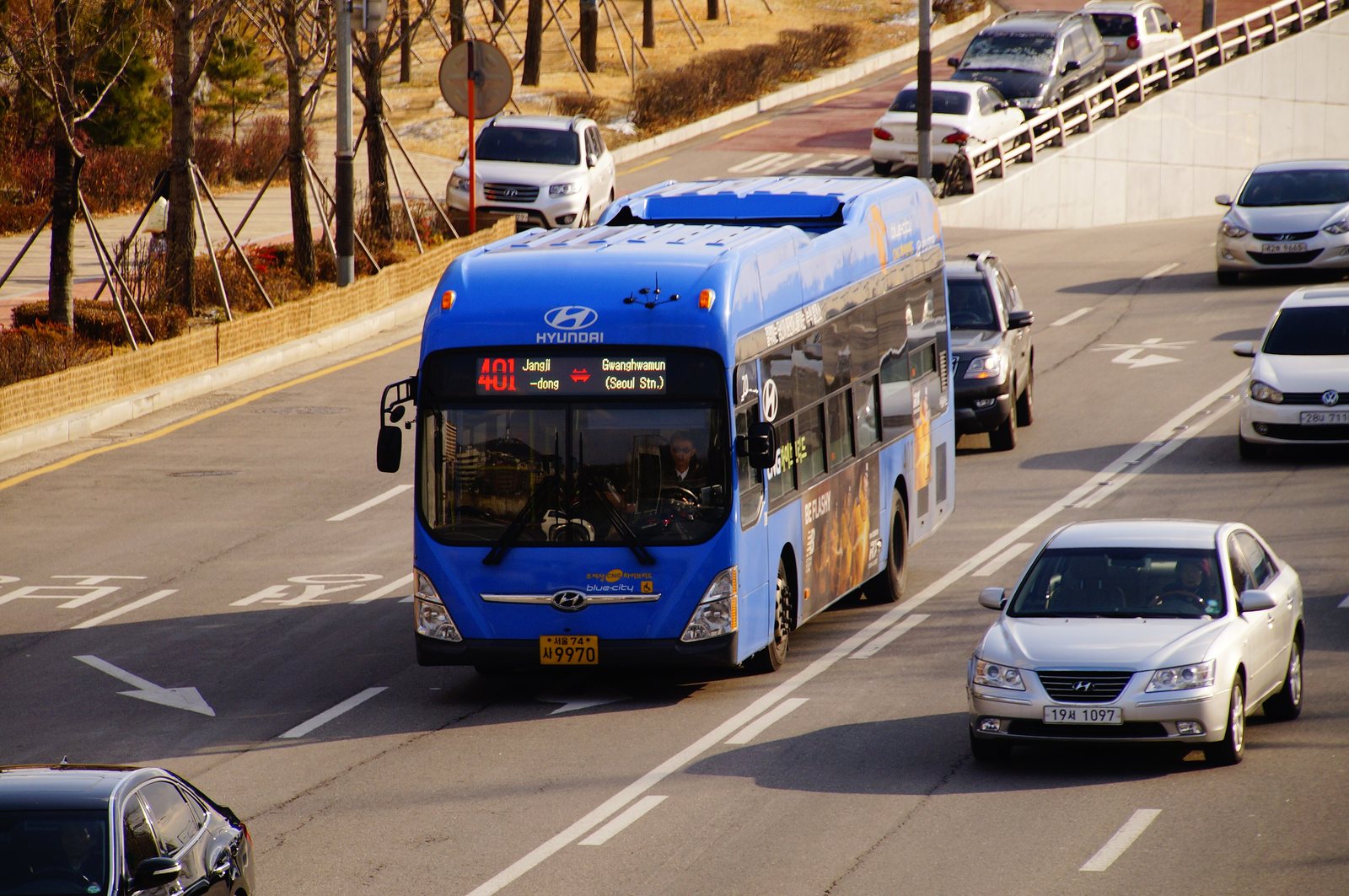
- Buses and subways: routes use Sino-Korean numbers. Seoul's subway Line 2 is 이호선 (ihoseon). A three-digit bus number such as 472 can be read in full, 사백칠십이 번 (sabaekchilsibi beon), or digit by digit, 사칠이 번 (sachiri beon), and you will hear both.
- Phone numbers: each digit is read on its own in Sino-Korean, with zero usually said as 공 (gong) rather than 영 (yeong). Almost every Korean mobile number begins with 010, so you will hear 공일공 (gong-il-gong) constantly.
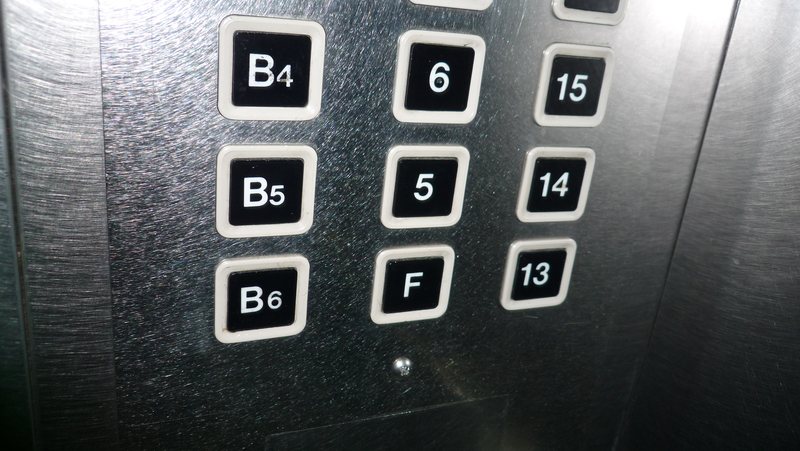
- Floors: 층 takes Sino-Korean, so the third floor is 삼 층 (sam cheung). In some buildings the fourth-floor button says F instead of 4, which is a numbers story of its own.
- Dates: years, months and days are all Sino-Korean, so November 11, Pepero Day, is 십일월 십일일 (sibirwol sibiril). Two months bend the sound: June is 유월 (yuwol), not yugwol, and October is 시월 (siwol), not sibwol. The National Institute of Korean Language says both are simply written as they are traditionally pronounced.
Quick answers
When should you use Sino-Korean vs native Korean numbers?
Use native numbers (hana, dul, set) to count things and people, for age with 살 and for the hour on a clock. Use Sino-Korean numbers (il, i, sam) for minutes, dates, money, phone numbers, floors and any number over 99.
How do you say 3:30 in Korean?
세 시 삼십 분 (se si samsip bun): a native number for the hour and a Sino-Korean one for the minutes. Many people just say 세 시 반 (se si ban), “half past three.”
Do native Korean numbers go above 99?
Not in modern Korean. Native counting ends at 아흔아홉 (99); the old words for 100 and 1,000 are no longer used as numbers, so 100 and up is always Sino-Korean.