Why Koreans Had Three Ages — and Which One Counts Now
Born on December 31, two years old the next morning? Here's how Korea counts age — and what changed in June 2023.
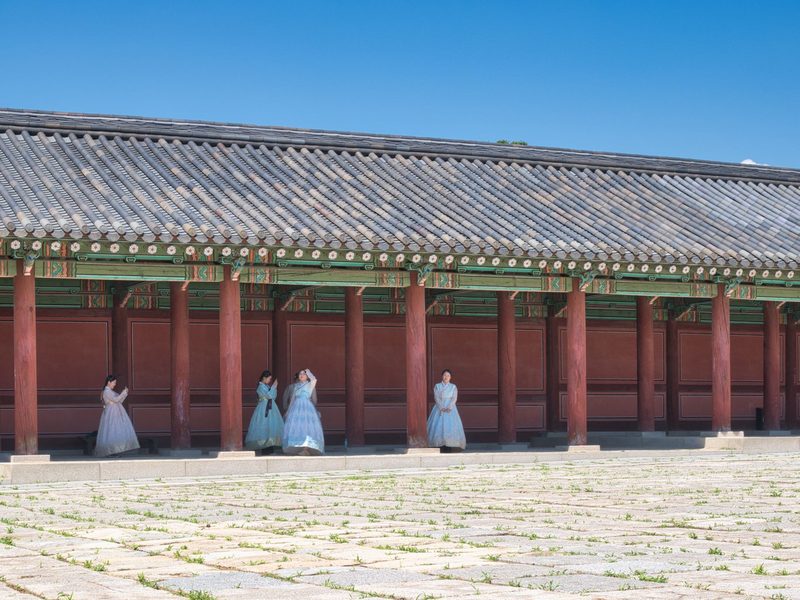
Here is a riddle Koreans used to love telling visitors: a baby born on December 31 turns two the very next day. Not two days old — two years old. Under the traditional count, newborns started life at one, and everybody in the country added a year together when the calendar turned to January 1.
So how old is anyone in Korea today? Since June 28, 2023, the official answer is international age: you start at zero and go up a year on your birthday, just as in almost every other country. But the older systems have not completely disappeared. "Korean age" still pops up in conversation, and a third method, "year age," is written into a few laws — including the one that decides when you can buy your first beer. Here is how the three fit together.
Three ways to count one life
For generations, Koreans have juggled three methods:
- Korean age — 세는 나이 (seneun nai, "counting age"). You are one on the day you are born and gain a year every January 1. Your birthday doesn't change the number at all.
- Year age — 연 나이 (yeon nai). You are zero at birth and gain a year every January 1. In practice, it is the current year minus your birth year.
- International age — 만 나이 (man nai, "full age"). You are zero at birth and gain a year on each birthday.
Picture someone born on October 20, 2000. In early October 2026, that person is 25 in international age, 26 in year age and 27 in Korean age. Three correct answers to one simple question — which is exactly why the government eventually decided to settle on one.
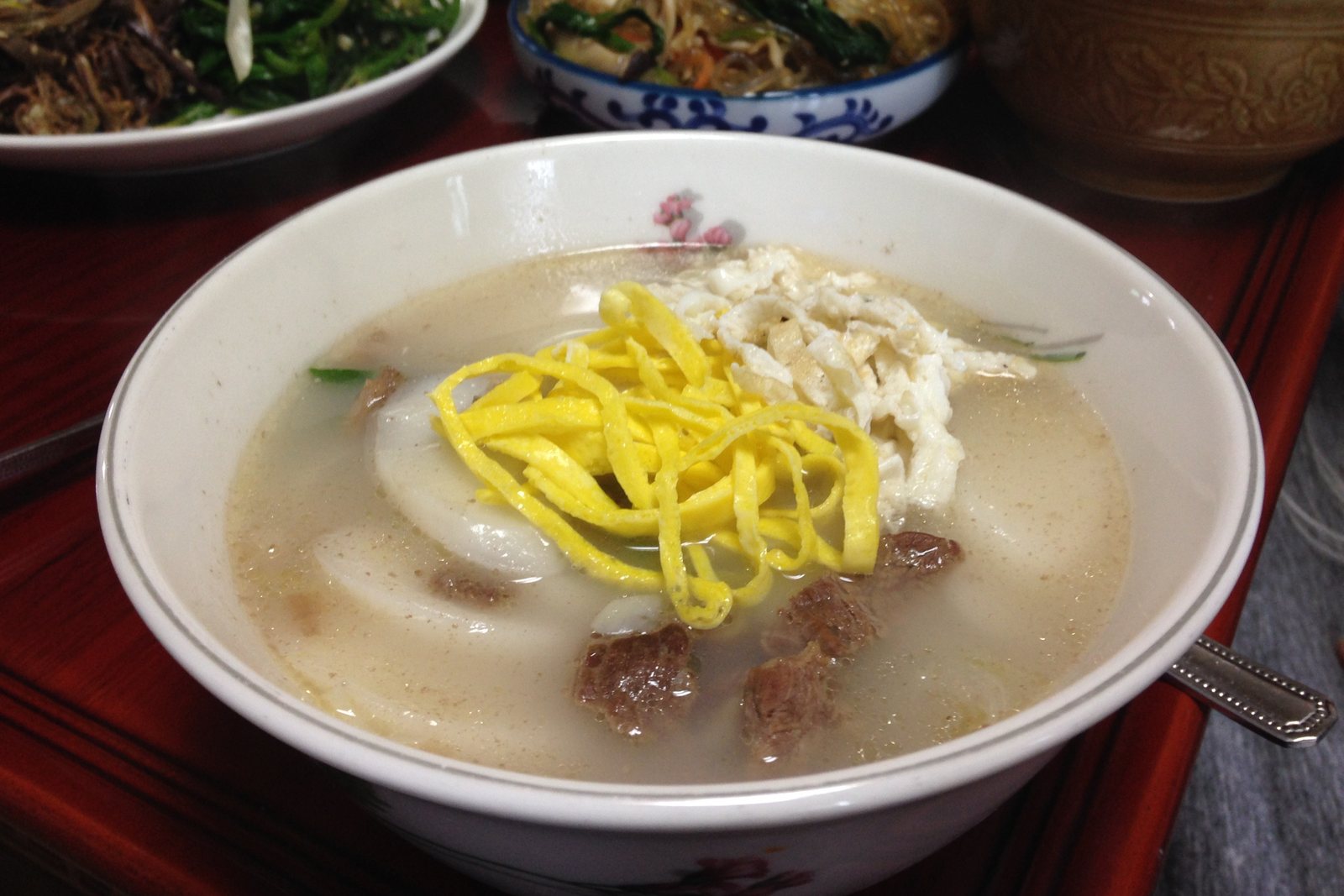
Where Korean age came from is not entirely clear, even to researchers. One popular explanation is that it counts time in the womb, rounded up to a year; another links it to old East Asian ways of numbering years that began at one rather than zero. Neighboring countries moved away from similar systems during the 20th century, but in Korea the habit held on in daily life. The language plays along, too: growing older is 나이를 먹다 (naireul meokda, literally "to eat age"), and a familiar saying goes that you are a year older once you finish your bowl of 떡국 (tteokguk, rice cake soup) on New Year's Day.
What changed on June 28, 2023
Strictly speaking, Korea's Civil Act had counted age from the date of birth for decades. Everyday life, though, ran on Korean age, and many rules used year age, so the same number could mean different things. The Ministry of Government Legislation, which led the change, cited a 2014 labor agreement that cut wages from "age 56": the two sides disputed whether that meant 55 or 56 in full years, and the case dragged on until 2022.
In December 2022, the National Assembly passed amendments to two laws — the Civil Act and the General Act on Public Administration — and both took effect on June 28, 2023. The new wording says age is calculated in full years counting from the day of birth, and that a baby under one may have their age written in months. Unless a specific law says otherwise, any age that appears in a law, a contract or an official document is now read as international age, even if the word man isn't written in front of it.
On paper, most Koreans became one or two years younger overnight. In a government online survey of about 22,000 people a few months after the switch, 88.5 percent said they intended to use international age in daily life as well.
Where year age still rules
The 2023 change set a default rather than banning the other methods. Several laws deliberately kept counting by calendar year — civil service exam age limits among them — largely so that people born in the same year are treated alike. The ones a visitor is most likely to meet:
- Alcohol and tobacco. The Youth Protection Act defines a minor as someone under 19 in international age — but excludes anyone who has already reached January 1 of the year they turn 19. So the line moves on New Year's Day, not on your birthday. In 2026, people born in 2007 or earlier may buy alcohol and cigarettes, whatever their birth month.
- Military service. Under the Military Service Act, Korean men are generally called for the conscription physical examination in the year they turn 19.
- Starting school. Children begin elementary school on March 1 of the year after they turn six, so everyone born in the same calendar year starts together.
So, yes, a Korean can be 18 by the official count and still order a beer legally. That isn't a loophole; it's the system working as intended.
Why age matters so much in Korea
If age were just a number, none of this would matter much. But in Korea it shapes how people talk. Korean has a polite speech style, 존댓말 (jondaenmal), and a casual one, 반말 (banmal), and the choice usually depends on who is older. Age also decides what you call each other: a younger woman calls an older female friend 언니 (eonni), a younger man calls an older male friend 형 (hyeong), and so on.
That is why the question often comes up within minutes of meeting someone. It isn't nosiness; it's two people working out which grammar to use. Many Koreans skip the arithmetic and simply ask for a birth year: 몇 년생이세요? (myeon nyeonsaeng-iseyo?, "What year were you born?"). Discovering you are the same age — 동갑 (donggap) — is a small happy moment, because it often means you can relax into casual speech as 친구 (chingu), a word that in everyday use usually means a friend your own age.
Even birth years have fine print. Until the 2009 school year, children born in January and February could start school a year early, alongside the previous year's babies. Adults from those years are known as 빠른 년생 (ppareun nyeonsaeng, "early birth year"), and sorting out which group they belong to can eat up a surprising part of a dinner party.
If you visit Korea
- Don't take the age question personally. Answer with your international age, or just give your birth year — that is often what people really want to know.
- Bring ID if you plan to drink. Bars and convenience stores may check, and what counts is your birth year — so carry your passport.
- Don't drop into casual speech just because you are older. Wait to be invited. A common invitation is 말 편하게 하세요 (mal pyeonhage haseyo, "Feel free to speak casually").
- Use the respectful word with elders. With someone clearly older, ask 연세가 어떻게 되세요? (yeonsega eotteoke doeseyo?), which uses the honorific word for age.
- Don't correct people. If an older Korean gives an age that sounds a year or two high, they may simply be using Korean age out of habit.
Quick answers
Does Korea still use Korean age?
Not officially. Since June 28, 2023, laws, contracts and public documents use international age by default. Some people still mention Korean age in conversation out of habit.
How old do you have to be to drink in Korea?
You can buy alcohol from January 1 of the year you turn 19 in international age. In 2026, that covers everyone born in 2007 or earlier.
How do I calculate my Korean age?
Take the current year, subtract your birth year and add one. Your birthday makes no difference.
Sources
- Korea.kr (Korea Policy Briefing) — 'International age' becomes the standard from June 28, 2023 (Ministry of Government Legislation)
- Korea.kr — Age to buy alcohol and tobacco under the international age system (Youth Protection Act)
- The Korea Herald — Korea starts using int'l age system, but exceptions remain
- The Korea Times — How South Korea's complex age custom has endured
- Ministry of Government Legislation — Press release on the first year of the international age law (survey results)