Places
Places explains why certain spots matter to Koreans, not just how to find them: markets where locals eat, river parks on summer nights, palaces you can enter free in hanbok, and autumn leaves that set off a national rush. Each story includes the background and, where it helps, a short guide with transit directions and an address card for taxi drivers.
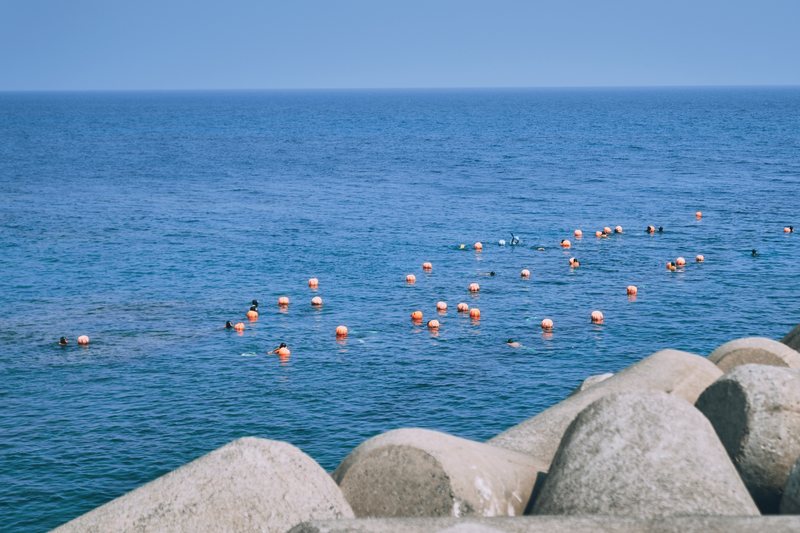
The Jeju Grandmothers Who Dive Without Tanks, and Where to See Them
Most of Jeju's women divers are over 70, and they still go down on a single breath. The reason is less about tradition than about keeping the sea full.
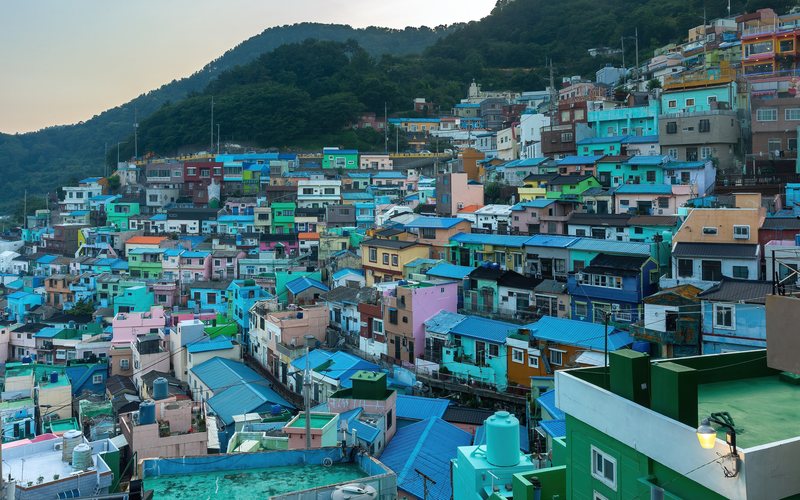
Why Busan's Houses Climb the Hills: Gamcheon and the War Refugees
Refugees built on Busan's slopes because nothing else was left. Today 3 million visitors come, and the village finally has visiting hours.
Why Korea's Province Names Sound Like Two Cities Glued Together
Gyeongsang is Gyeongju plus Sangju; Jeolla is Jeonju plus Naju. How Korea's map got its names, and how to read the -do, -si and -gu in any address.
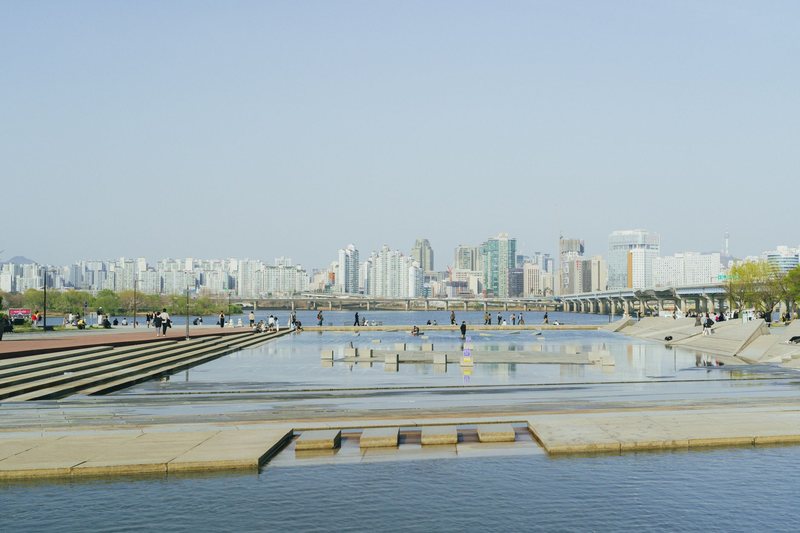
Why Seoul's Favorite Picnic Is Instant Noodles by the Han River
Riverside convenience stores in Seoul cook your noodles by machine. Here is why a simple bowl by the water means so much to Seoulites.
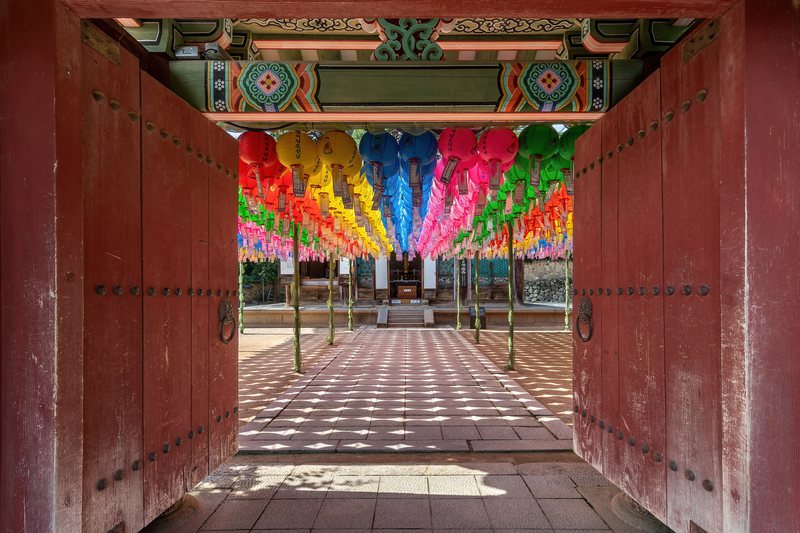
Why Stressed Koreans Pay to Wake Up at 3 a.m. in a Temple
In the land of ppalli-ppalli, record numbers now pay to spend a night at a Buddhist temple, slowing down on purpose. Most are Koreans. Here's why.
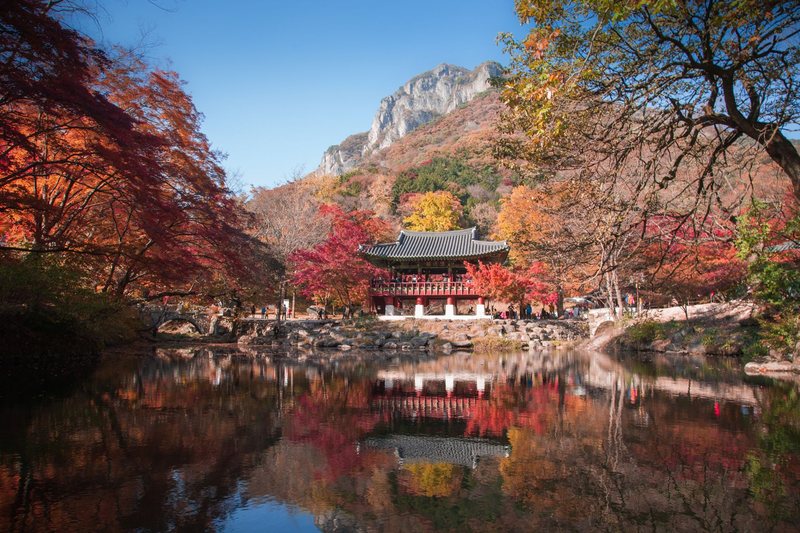
Korea Forecasts Its Autumn Leaves Like Weather, Then Heads Uphill
Each October, Korea tracks its mountains' colors like a weather front, and trails fill with hikers in bright jackets. Here's why.
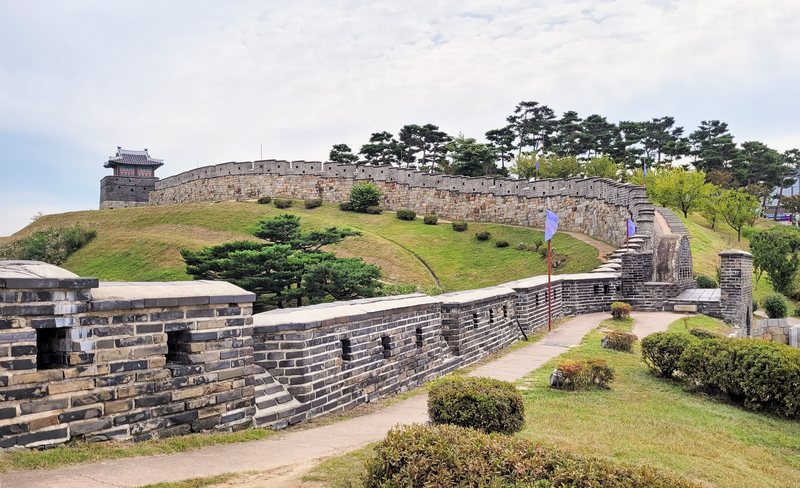
The King Who Built a Whole City for His Father
King Jeongjo moved his father's tomb to Suwon, then built a walled city there. Walk Hwaseong and you'll see why hyo still shapes Korean family life.
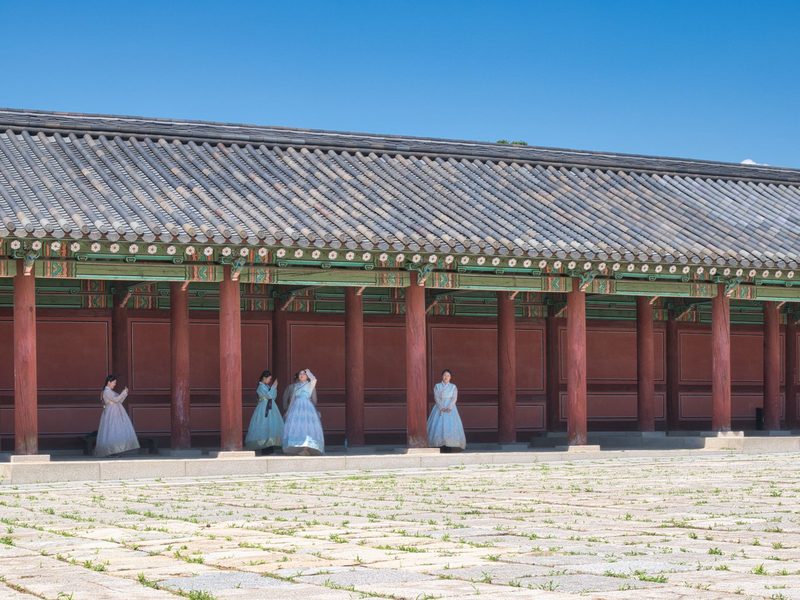
Wear Hanbok, Walk In Free: Seoul's Palace Rules, Explained
Put on a hanbok and the palace gate waves you through — if your outfit passes the check. What counts, where it works and where it doesn't.
The Korea Letter
Every Friday: the week’s new stories, explained by Koreans.