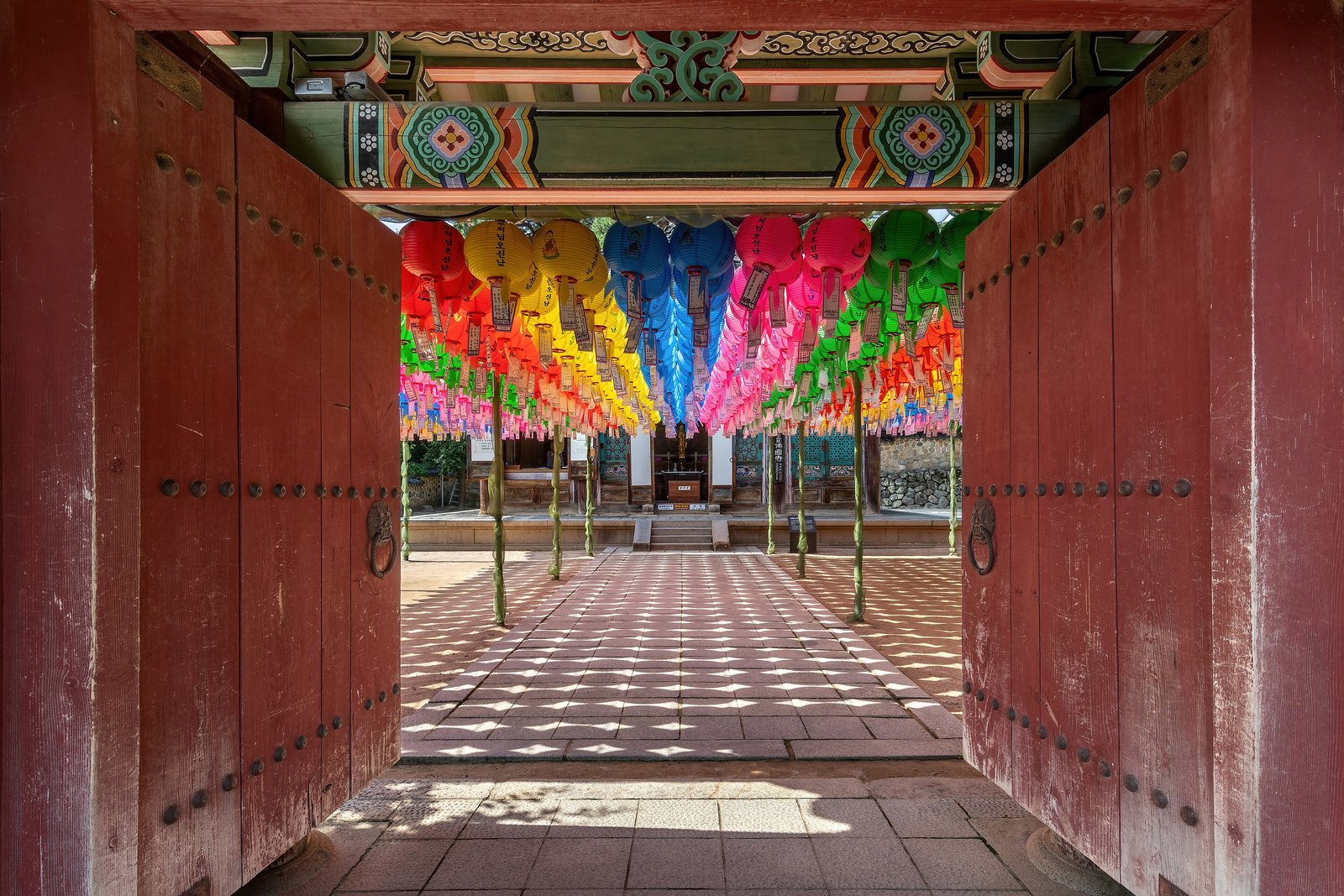
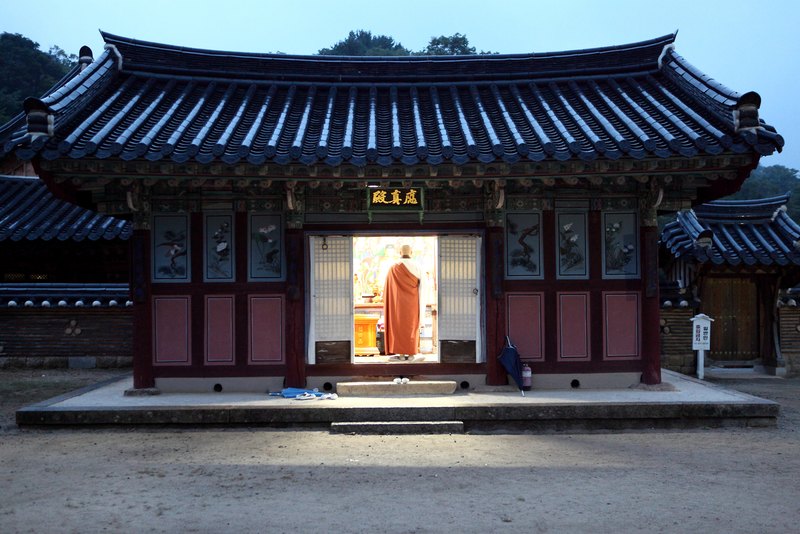
At a mountain temple in Korea, around 3 a.m., while it is still pitch-dark, a monk sets off around the grounds striking a 목탁 (moktak), a hollow wooden percussion instrument, and chanting as he walks. This is 도량석 (doryangseok), the rite that purifies the temple at the start of each day. It also works as an alarm clock for everyone sleeping there, including guests who arrived from the city the afternoon before.
Those guests are on a 템플스테이 (templestay), a program that lets anyone spend a night or two inside a working Buddhist temple. Most of them are not there to become Buddhists. They are there to rest. In 2025, a record 349,219 people took part at 158 temples, and 293,704 of them were Koreans. In a country that runs on ppalli-ppalli (“hurry, hurry”), more and more people are paying for the one thing daily life rarely gives them: a whole day in which nothing has to happen fast.
Born for the World Cup, kept for the burned-out
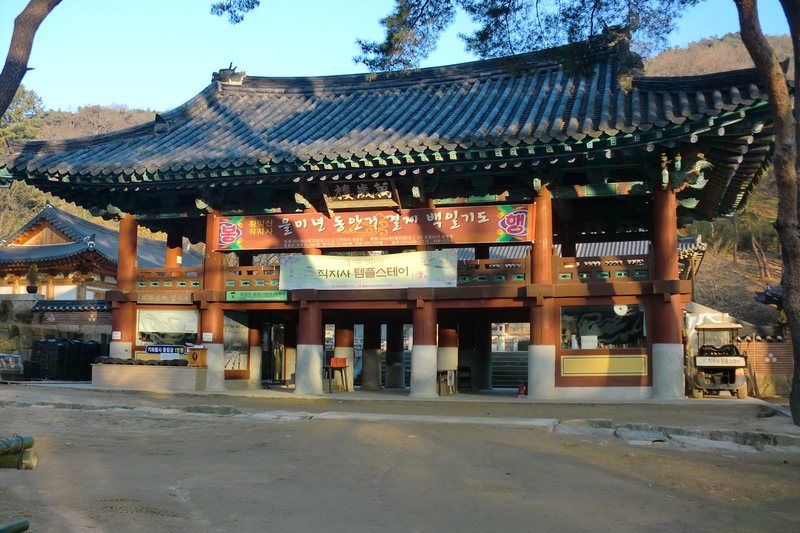
Templestay is younger than most visitors guess. In 2002, Korea and Japan co-hosted the FIFA World Cup, and there were worries that the country would run short of rooms for visiting fans. The Jogye Order, Korea's largest Buddhist order, answered by opening its temple gates. On May 11, 2002, about 50 members of the diplomatic corps in Korea spent a trial night at Jikjisa, a temple in Gimcheon, and 33 temples took part that first year.
It was meant to be a one-off. It proved popular enough to become permanent, and today it is run by the Cultural Corps of Korean Buddhism (한국불교문화사업단), part of the Jogye Order. In 2002, 1,299 Koreans and 1,259 foreigners joined. By the end of 2025, the running total had passed 4.18 million people.
Why a “hurry, hurry” country books a slow night
Templestays come in two main types. An experience-type program (체험형, cheheom-hyeong) walks you through temple life: dawn services, meditation, bowing, lotus lantern making. A rest-type program (휴식형, hyusik-hyeong) mostly leaves you alone. At many temples, apart from meals, your time is your own: walk under the trees, read, nap or simply stare at the mountain. Koreans have a word for that last one, 멍때리기 (meong-ttaerigi), zoning out on purpose, and at a temple it is the whole point.
The rest option has taken over. According to Cultural Corps figures reported by Newsis, 37% of participants chose a rest-type stay in 2019; by 2022, 63% did. Over the same years, the share of people in their 20s and 30s rose from 32% to 40%. In that interview, the Cultural Corps' director pointed to young people carrying heavy worries and looking for healing.
Faith is often beside the point. In a satisfaction survey of 27,563 participants, reported by Asia Economy this year, 52.5% said they had no religion and about a third were Buddhist. You are asked to follow temple manners, not to change what you believe.
Temple time, from afternoon to dawn
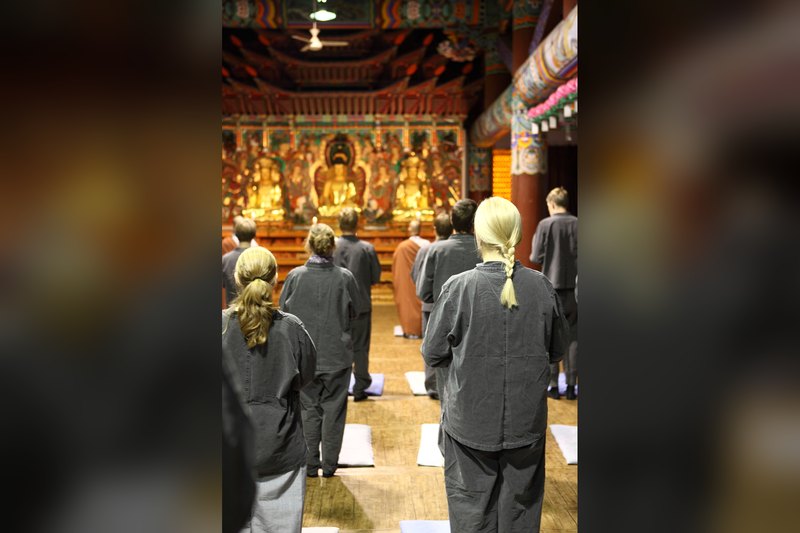
- Afternoon: You check in, change into the loose vest and trousers many temples lend their guests, and learn the basics of temple manners.
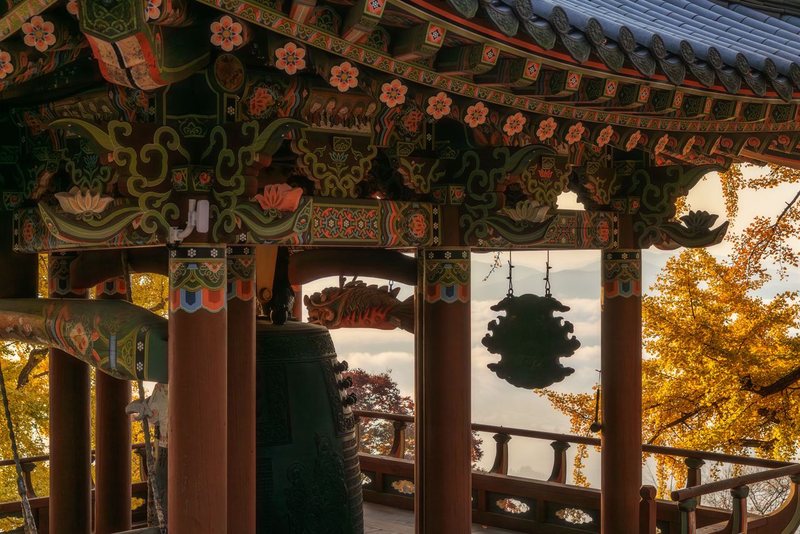
- Evening: An early vegetarian dinner, then the evening service (예불, yebul), often announced by the temple's great bell.
- Night: Lights out comes early, often around 9 or 9:30 p.m.
- Around 3 a.m.: The moktak rounds begin. Traditionally the temple stays silent until the dawn service in the main hall is over; guests usually join it, sometime between about 3 and 4:30 a.m. depending on the temple.
- Morning: Breakfast, often around 6, then a walk, meditation or tea with a monk (차담, chadam), a chance to ask whatever you like.
Every temple writes its own timetable, so the details vary. The rhythm does not: early to bed, very early to rise, and nowhere to rush to in between.
108 bows and a meal that leaves nothing behind
The activity first-timers talk about most is 108배 (baekpal-bae), 108 bows. Each is a full prostration in the style called 오체투지 (oche-tuji): palms together, knees down, then both elbows, both knees and the forehead touching the floor before you rise again. The number comes from Buddhist teaching on 번뇌 (beonnoe), the troubles and cravings that cloud the mind, traditionally counted as 108; Korean Buddhist prayer beads usually have 108 beads for the same reason. The bows are often described as a way of letting go of those troubles one at a time. Many people find them grueling and calming at once, and their thighs remember them the next day.
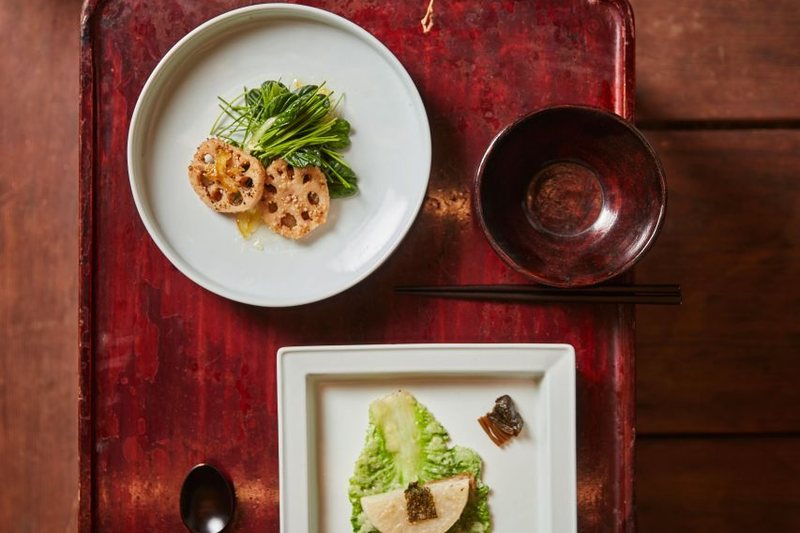
Then comes 발우공양 (baru-gongyang), the formal monastic meal. Each person gets a set of four bowls that nest inside one another, for rice, soup, water and side dishes. A monk signals each step with a 죽비 (jukbi), a bamboo clapper. You take only what you can finish and eat in silence. At the end you rinse your bowls, often with a piece of kimchi or pickled radish saved for the job, then eat and drink what is left, so not a grain of rice is wasted. In the traditional ritual, the final rinse water is given to 아귀 (agwi), hungry spirits, so it should be clear; some temples even check.
It is a long way from a restaurant table crowded with refillable banchan. Monks do not eat like this at every meal: the full ritual is kept mostly for ceremonies and intensive meditation retreats, and it is a core part of templestays at many major temples.
Before your first night at a temple
- Greet with 합장 (hapjang). Press your palms together in front of your chest and bow slightly. It is the standard greeting for monks and lay people alike, and an old explanation says it stands for harmony: nobody can fight with their hands joined.
- Use the side doors of the main hall. The central door is traditionally for senior monks. Take off your shoes and leave them neatly side by side.
- Keep your voice low, and stay silent at meals and before the dawn service.
- Dress modestly in the halls (no shorts or very revealing tops), and leave alcohol and meat outside the temple gate.
- Book ahead on the official site, templestay.com. Each temple sets its own program and fee, and in 2025 the culture ministry counted 31 temples with programs in foreign languages.
Korean insider tip: Pack more socks than you think you need, even in summer. The official templestay site says bare feet are not allowed in the temple, so you will be in socks every time you step into a hall, and a mountain floor before dawn can be cold. Wear shoes you can slip on and off without sitting down or untying laces: on a temple day they come off and go back on again and again.
Subway exits, hours and a taxi card for two easy starting points in Seoul are in the Getting there guide at the end.
A temple for singles, too
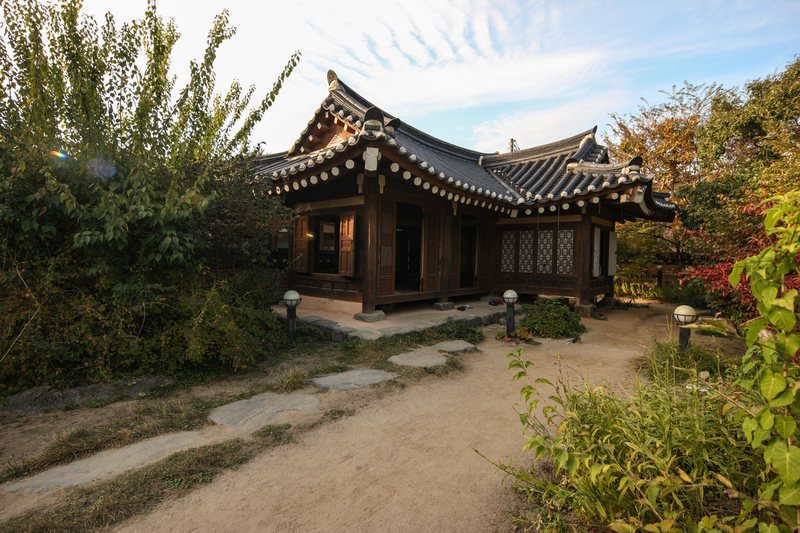
Templestay has even been reworked for a very modern worry. The Jogye Order's Social Welfare Foundation runs 나는 절로 (Naneun Jeollo), a templestay for singles whose name plays on the dating reality show Naneun Sollo (I Am Solo); jeollo means “to the temple.” Over a night and two days, participants meditate and talk one-on-one over tea. According to Newsis, the program has drawn 13,614 applications since 2023, and of its 370 participants as of May 2026, 83 pairs left as couples. Three couples have married. In a country that loves couple milestones, even the quietest places are in on it.
Quick answers
What is a templestay in Korea?
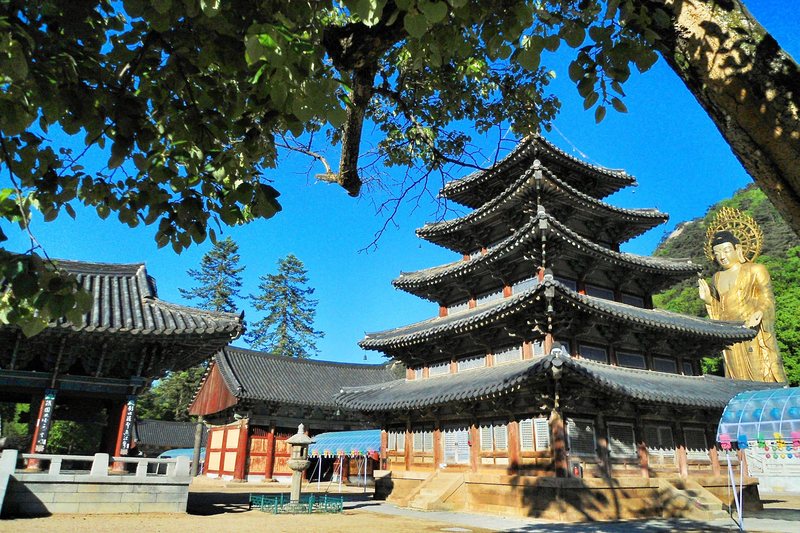
A program, started in 2002, that lets anyone stay overnight at a Korean Buddhist temple, eat temple meals and follow the monks' daily rhythm. In 2025, 158 temples took part.
Do you have to be Buddhist to do a templestay?
No. In a recent participant survey, more than half said they had no religion. You are asked to follow temple manners, not to convert.
Do you really wake up at 3 a.m.?
The temple wakes around 3 a.m. and the dawn service follows. Experience-type programs expect you to join; on rest-type stays, much of the schedule beyond meals is up to you, depending on the temple.
Getting there
Templestay Information Center (Seoul) 템플스테이통합정보센터
- Subway
- Line 3, Anguk Station, Exit 6 (about 270 m)
- Hours
- 9:00–18:00 daily; closed on New Year's Day and during the Seollal and Chuseok holidays
- Admission
- Free to visit
- Tip
- Across the street from Jogyesa Temple. Staff introduce templestay temples around the country and explain how to book; call +82-2-2031-2000 to confirm hours before you go
Bongeunsa Temple (Gangnam, Seoul) 봉은사
- Subway
- Line 9, Bongeunsa Station, Exit 1 (about 135 m)
- Hours
- Temple grounds 5:00–22:00
- Admission
- Free to enter the grounds; templestay programs are booked and paid separately
- Tip
- A city temple across the road from COEX, handy for a first taste of temple life. Program days and fees change, so check Bongeunsa's listing on templestay.com
Checked on October 13, 2026; confirm on the official site before you go.