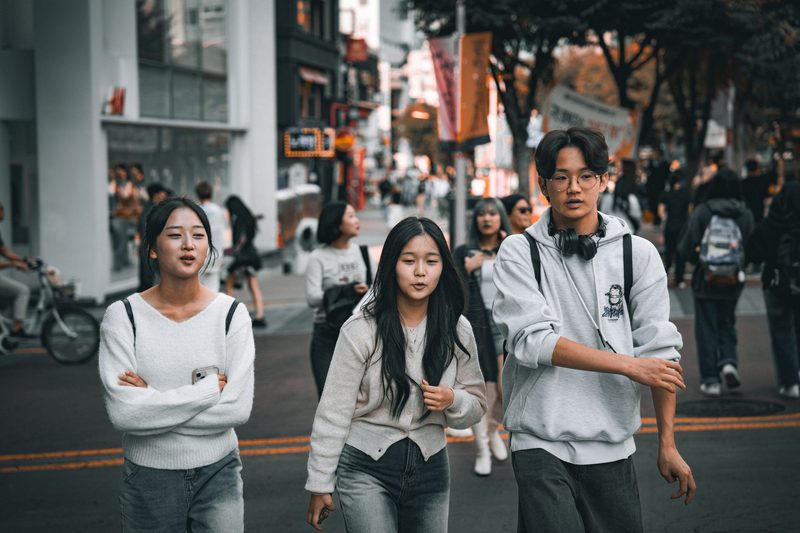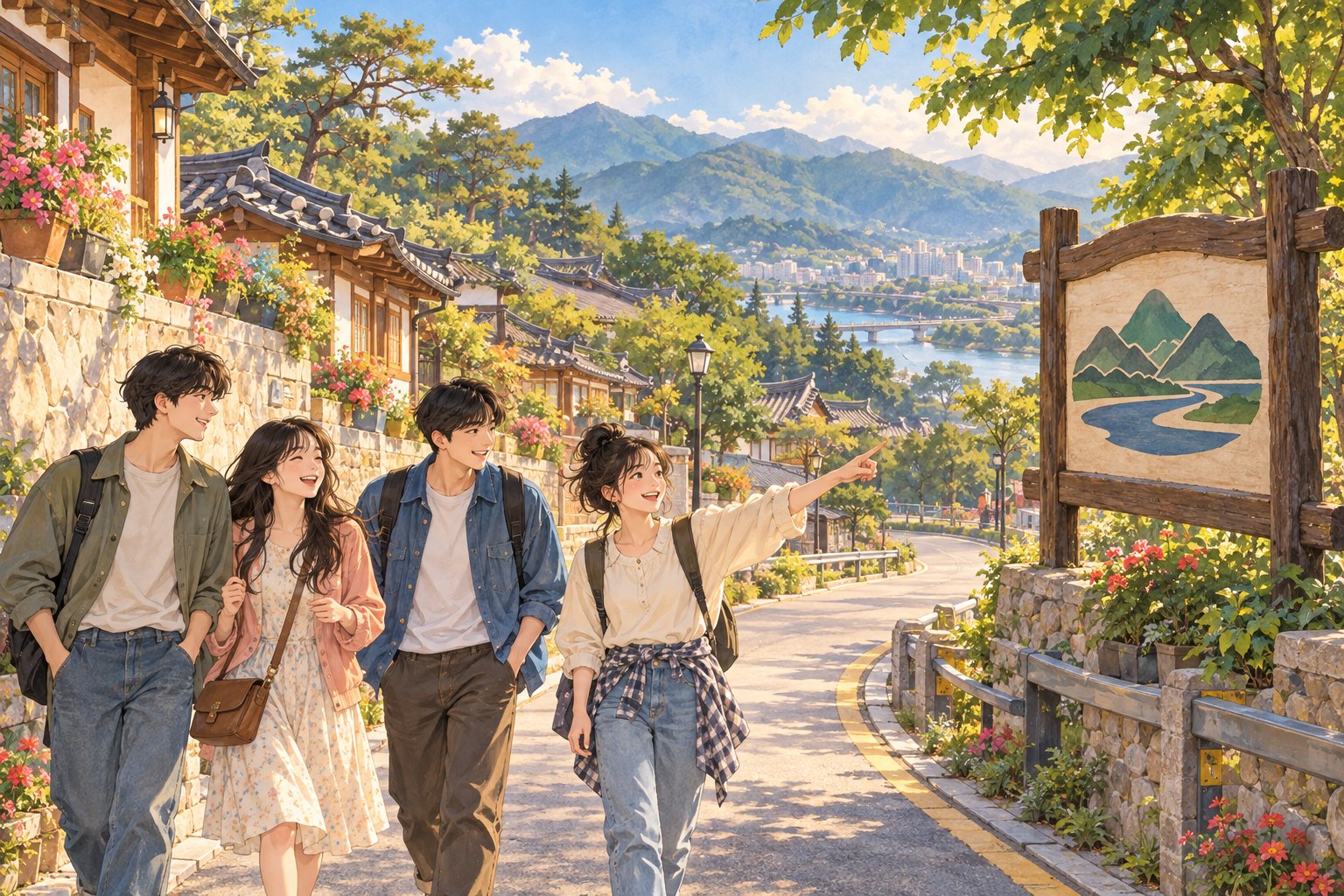
Spend a week in Korea and the same odd words keep popping up: on intercity bus signs, in the weather forecast, in a K-drama character's backstory. 경상도 (Gyeongsang-do). 전라도 (Jeolla-do). 충청도 (Chungcheong-do). They sound like ancient, poetic place names, but most of them are something far more practical: abbreviations. Centuries ago, Korea named its provinces by taking the first syllable of the two most important towns in each one and gluing them together.
So Gyeongsang is Gyeongju plus Sangju. Jeolla is Jeonju plus Naju. Chungcheong is Chungju plus Cheongju, and Gangwon is Gangneung plus Wonju. The big exception is 경기도 (Gyeonggi-do), the province wrapped around Seoul, whose name simply means "the land around the capital." Here is how the system works, what changed on the map this year, and how to read the -do, -si and -gu you will meet in every Korean address.
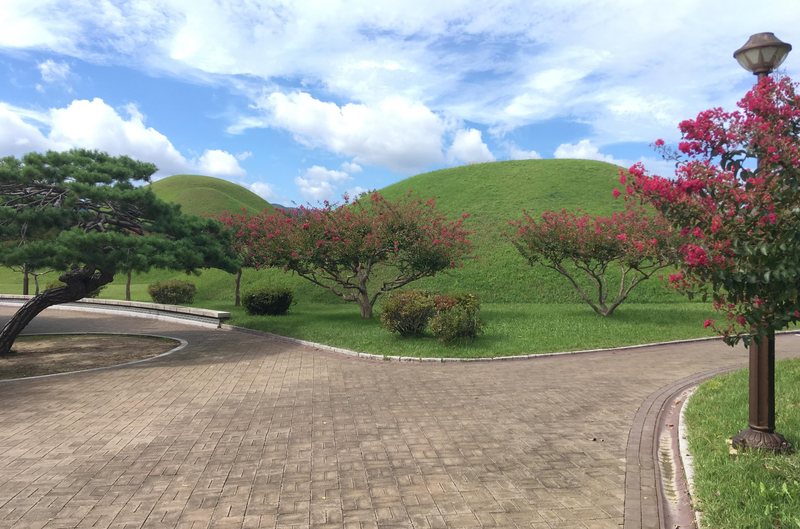
Two towns, one name
The habit dates back to the Goryeo dynasty (918–1392), when regions were named after the towns that ran them. According to the Encyclopedia of Korean Culture, the name Gyeongsang first appeared in 1106 as a three-town combination that also included Jinju, before it settled as plain Gyeongsang in 1314.
- Gyeongsang (경상): 경주 (Gyeongju), the old capital of the Silla kingdom, + 상주 (Sangju). Fixed in 1314.
- Jeolla (전라): 전주 (Jeonju) + 나주 (Naju). Named in 1018, which is why the region celebrated the name's 1,000th birthday in 2018.
- Chungcheong (충청): 충주 (Chungju) + 청주 (Cheongju). First recorded in 1106.
- Gangwon (강원): 강릉 (Gangneung) + 원주 (Wonju). Created in 1395, early in the Joseon dynasty.
If Jeonju plus Naju sounds like it should make "Jeonna," you have found a quirk of Korean. The na of Naju is written with a Chinese character normally read ra; it only softens to na at the start of a word. Inside 전라, the n and the r blend into a double l, so Koreans say "Jeol-la," and the spelling follows the sound.
The names were taken seriously, too. The encyclopedia notes that during the Joseon era, Chungcheong was renamed again and again: when one of its namesake towns produced a traitor or someone convicted of a grave crime against family and moral order, that town could lose its syllable. The province spent years as Gongcheong-do or Chunghong-do, borrowing from nearby Gongju and Hongju, before the 1896 reforms settled on Chungcheong for good.
These towns live on in one more place: Korean clan seats. When a friend says they are a Gyeongju Kim or a Jeonju Lee, it is the same Gyeongju and Jeonju (more in why so many Koreans are named Kim, Lee and Park).
Gyeonggi: the one that means "around the capital"
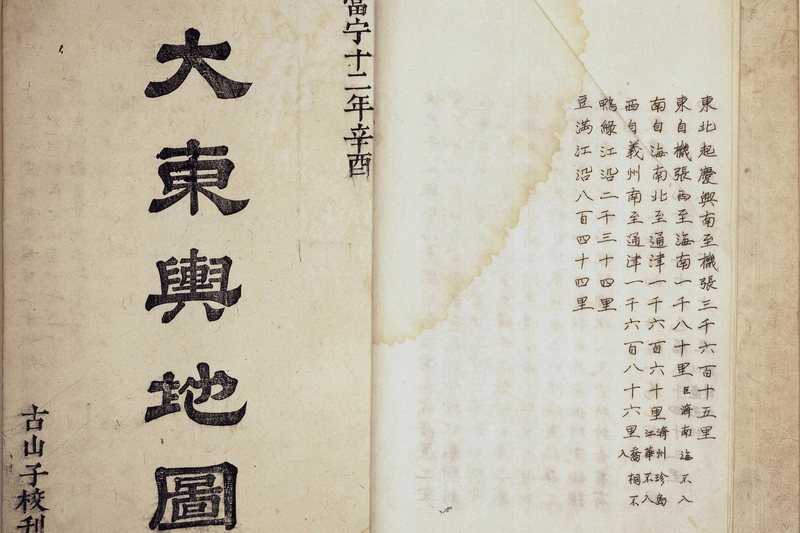
Gyeonggi breaks the rule because it was never about towns. It is written 京畿: gyeong is the capital, and gi is the land surrounding the ruler's city. The Encyclopedia of Korean Culture says the area around the Goryeo capital was officially called Gyeonggi from 1018, while the provincial government counts the province itself from 1414, which is why it held a 600th-anniversary celebration in 2014.
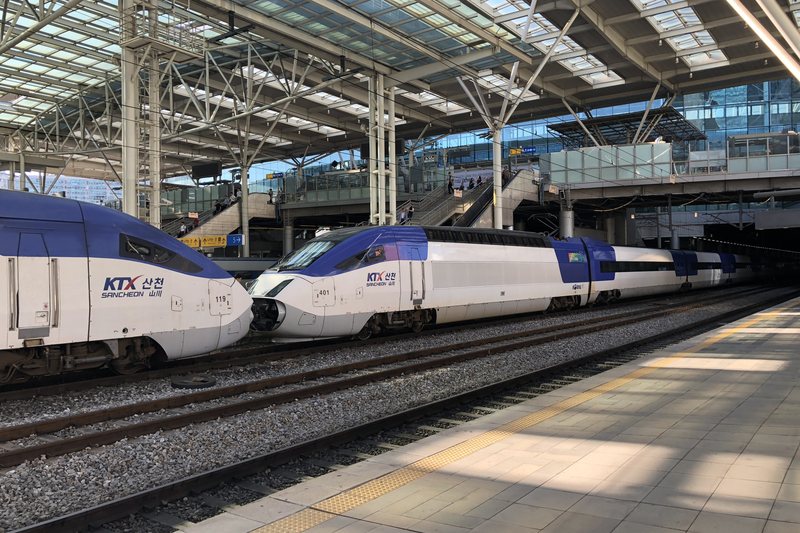
A tip for Korean learners: the gyeong in Gyeonggi and the gyeong in Gyeongsang are different characters. Gyeonggi's 京 means "capital"; Gyeongsang's 慶 comes from Gyeongju and means "celebration." The capital 京 is all over Korean transport: the 경부선 (Gyeongbu Line) runs between Seoul and Busan, and 경인 (Gyeongin) means Seoul plus Incheon. Same two-syllable habit, applied to railways and highways.
Seoul sits in the middle of Gyeonggi on the map, but it is not part of it. The capital is governed separately as a special city, and the province wraps around it like a ring.
Why there is a North and a South Gyeongsang
For most of the Joseon dynasty, Korea had eight provinces, the 팔도 (paldo). The word lives on: 전국 팔도 (jeonguk paldo, "all eight provinces of the country") still means every corner of Korea. Then, in 1896, a reform created 13 provinces by splitting several large ones into a northern half, 북 (buk), and a southern half, 남 (nam).
That is where Gyeongsangbuk-do and Gyeongsangnam-do (North and South Gyeongsang), Jeollabuk-do and Jeollanam-do, and Chungcheongbuk-do and Chungcheongnam-do come from. Almost nobody says the full names out loud. Koreans clip them to two syllables: Gyeongbuk, Gyeongnam, Jeonbuk, Jeonnam, Chungbuk, Chungnam. A fun detail: both of Gyeongsang's namesake towns ended up in the northern half, and so did both of Chungcheong's.
Korean insider tip: Older spellings of the clipped province names still turn up, so don't panic when a sign doesn't match your guidebook. Kyungpook National University in Daegu is Gyeongbuk, and Chonnam National University in Gwangju is Jeonnam, both spellings that predate Korea's 2000 romanization reform. If an English search for a place comes up empty, type the hangul (경북, 전남, 충북) into Naver Map or KakaoMap instead.
You will also hear older nicknames for whole regions. 영남 (Yeongnam, "south of the passes") is the Gyeongsang region, named for lying south of the Jungnyeong and Joryeong mountain passes. 호남 (Honam, "south of the lake") is the Jeolla region; the encyclopedia links the "lake" to an old name for the Geum River, though another theory points to an ancient reservoir. 호서 (Hoseo, "west of the lake") is Chungcheong, traditionally explained as the land west of Uirimji, an old reservoir in Jecheon.
The regions also roughly map Korea's 사투리 (saturi, regional dialects). Gyeongsang, Jeolla, Chungcheong and Gangwon each have their own melody, endings and words, and K-dramas lean on them to show where a character grew up. Standard Korean is based on Seoul speech. Jeju's is so different that UNESCO listed the Jeju language as critically endangered in 2010, and it is increasingly described as a language of its own.
The 16 regions at the top of the map (17 until July 2026)
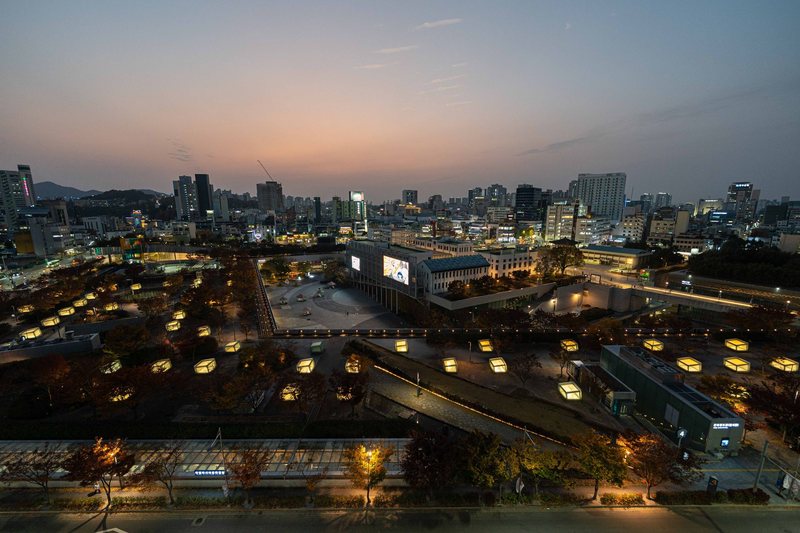
If you learned that South Korea has 17 top-level regions, you were right until this year. On July 1, 2026, Gwangju Metropolitan City and South Jeolla Province, separated since 1986, merged into 전남광주통합특별시 (Jeonnam-Gwangju Integrated Special City), a new kind of region with a status equivalent to Seoul's, as Gwangju News explains. That leaves 16:
- 1 special city: Seoul (서울특별시, Seoul Teukbyeolsi).
- 1 integrated special city: Jeonnam-Gwangju.
- 5 metropolitan cities (광역시, gwangyeoksi): Busan, Daegu, Incheon, Daejeon and Ulsan. Geographically they sit inside the old provinces, but they run themselves.
- 1 special self-governing city: Sejong, launched in 2012 as a planned city for government ministries and named after King Sejong, who created Hangul (see why Korea celebrates Hangul Day).
- 5 provinces (도, do): Gyeonggi, Chungbuk, Chungnam, Gyeongbuk and Gyeongnam.
- 3 special self-governing provinces (특별자치도, teukbyeol-jachido): Jeju (2006), Gangwon (June 11, 2023) and Jeonbuk (January 18, 2024).
"Special self-governing" means a province has been handed extra powers and more room to set its own rules than an ordinary province gets. In English, Gangwon and Jeonbuk now call themselves Gangwon State and Jeonbuk State, which puzzles many visitors: they are still provinces, not states in the American sense. And look at what happened to Jeolla. With Jeonbuk State and Jeonnam-Gwangju, the name that turned 1,000 in 2018 no longer appears in full in any top-level name; it survives in the clipped syllable Jeon. Other mergers, such as Daegu with Gyeongbuk, have been proposed but not completed, so the map may change again.
How to read a Korean address
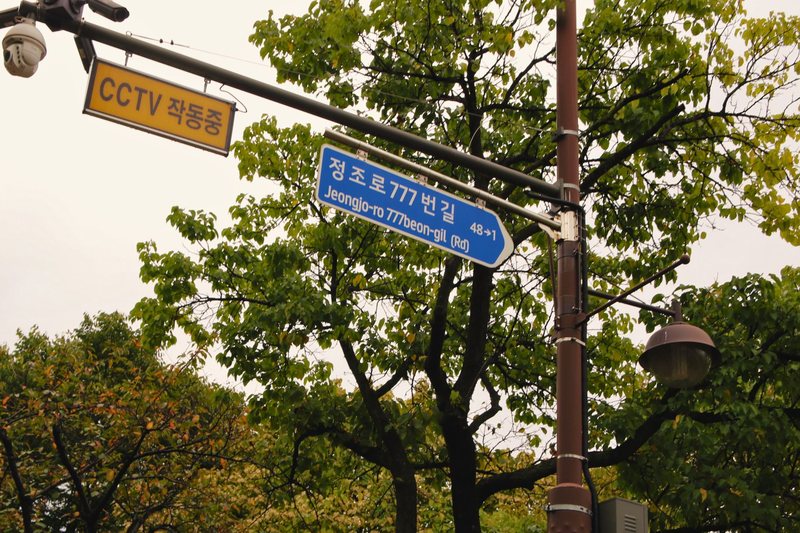
Korean addresses run from biggest to smallest, the reverse of most Western ones. Take Hwaseong Haenggung, the king's temporary palace inside Suwon's Hwaseong Fortress: 경기도 수원시 팔달구 정조로 825. That is Gyeonggi-do (province), Suwon-si (city), Paldal-gu (district), Jeongjo-ro (road), building 825. Here is what each ending means:
- -do (도): province. The character, 道, is the same "way" you see in taekwondo.
- -si (시): city.
- -gun (군): county, the rural counterpart of a city. Inside one you will find -eup (읍, town), -myeon (면, township) and -ri (리, village).
- -gu (구): district. In Seoul and the metropolitan cities, each gu is a local government with its own elected head; in a big city like Suwon, a gu is simply an administrative division.
- -dong (동): neighborhood, the name Koreans usually give when you ask where they live.
Since 2014, the official address has been the road-name address, built on -daero (대로, boulevard), -ro (로, road) and -gil (길, street), so the neighborhood often shows up only in brackets at the end, if at all. People still talk in dongs, though. And one trap catches nearly every newcomer: in an apartment address such as 101동 1203호, dong means building 101, not a neighborhood, and ho is the unit number. It is a different word that just sounds the same.
Quick answers
How many provinces does South Korea have?
Eight: five regular provinces (Gyeonggi, Chungbuk, Chungnam, Gyeongbuk and Gyeongnam) and three special self-governing provinces (Gangwon, Jeonbuk and Jeju). Add eight special, metropolitan and self-governing cities and you get 16 top-level regions. Until June 2026 it was nine provinces and 17 regions, because South Jeolla still existed.
What does Gyeonggi-do mean?
"The province around the capital." Gyeong (京) means capital and gi (畿) the land around it; -do means province. It is the only one of the eight old provinces whose name does not combine two towns.
Is Busan part of Gyeongsang province?
Geographically and culturally, yes: Busan, Daegu and Ulsan are in the Gyeongsang region. Administratively, no: each is a metropolitan city governed separately from Gyeongbuk and Gyeongnam.
Why do Gangwon and Jeonbuk call themselves "states"?
Since becoming special self-governing provinces, they use Gangwon State and Jeonbuk State as their English names to signal their extra autonomy. In Korean they are still 도 (do), provinces.
Getting there
Jeolla Gamyeong (the restored Jeolla Provincial Office, Jeonju) 전라감영
- Bus
- Jeonju has no subway. The city's official tourism site lists no bus stop for it but says it is easily reached on foot from Jeonju Hanok Village
- Hours
- March 1 to October 31: 09:00–21:00; November 1 to February 28: 09:00–18:00
- Admission
- Free (admission and guided tours)
- Tip
- Free guided tours start inside the main gate at 11:00 and 14:00 (Korean/English) and 16:00 (Korean only), last about an hour, take up to 20 people and do not run on Lunar New Year's Day or Chuseok
Checked on November 5, 2026; confirm on the official site before you go.