A friend is about to walk into a job interview. A teammate steps up to take a penalty. A classmate turns over the exam paper. In moments like these, a Korean will often clench a fist, grin and say one word: 파이팅! It sounds like the English word “fighting,” and it is, more or less. But nobody is being asked to fight.
Paiting, usually written in English as “hwaiting,” is a Korean cheer that means “You can do it!”, “Go for it!” and “Good luck!” all at once. It grew out of the English word “fighting,” yet in Korean it carries no hint of violence. It is pure encouragement, the spoken version of a pat on the back, and one of the best-known examples of Konglish: English that took on a new life in Korea.
English that English didn’t have
Shout “Fighting!” at a friend in London or Chicago and you may get a worried look. In English the word is about combat; in Korean it became a cheer, and its sound changed on the way. Korean has no “f” sound, so the word is said and written two ways: 파이팅 (paiting) and 화이팅 (hwaiting). Fans abroad mostly meet the second one, which is why “hwaiting” is the spelling you see in K-pop fan posts and comments.
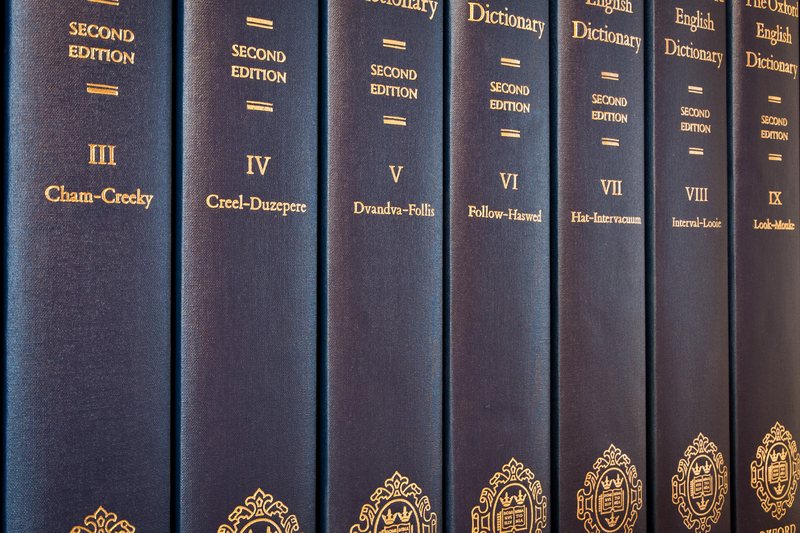
The cheer has traveled so far that it found its way back into English. In September 2021 the Oxford English Dictionary added “fighting” as an interjection used to express encouragement, incitement or support: another way of saying “Go on!” or “Go for it!” Tellingly, the OED does not file it among words borrowed from Korean but among new uses of English words, a meaning that was born in Korea. It arrived in the same update as 오빠 (oppa) and 언니 (eonni), two other words every fan knows (see why Koreans call their friends oppa, unni, hyung and noona).
Who says it, and when
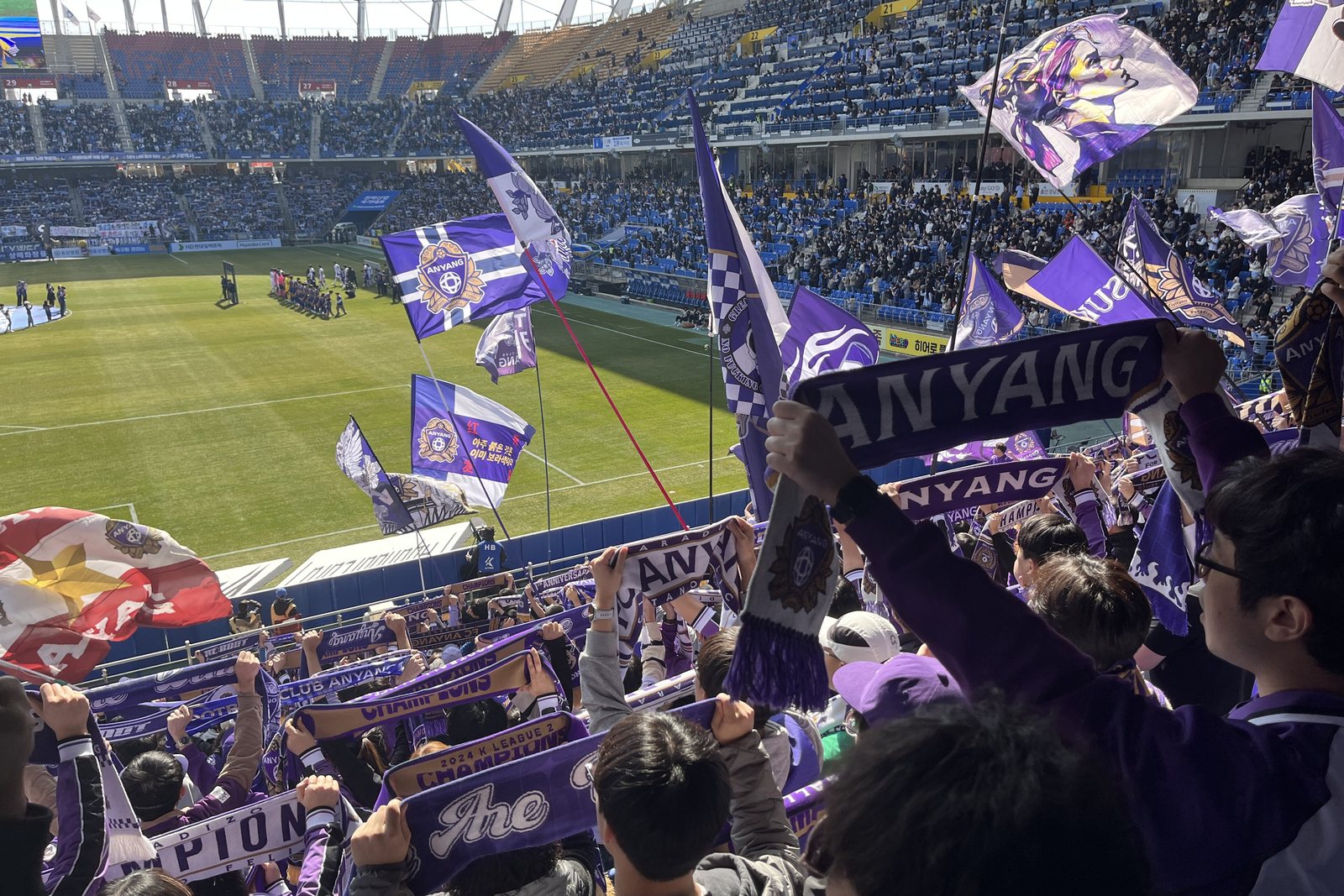
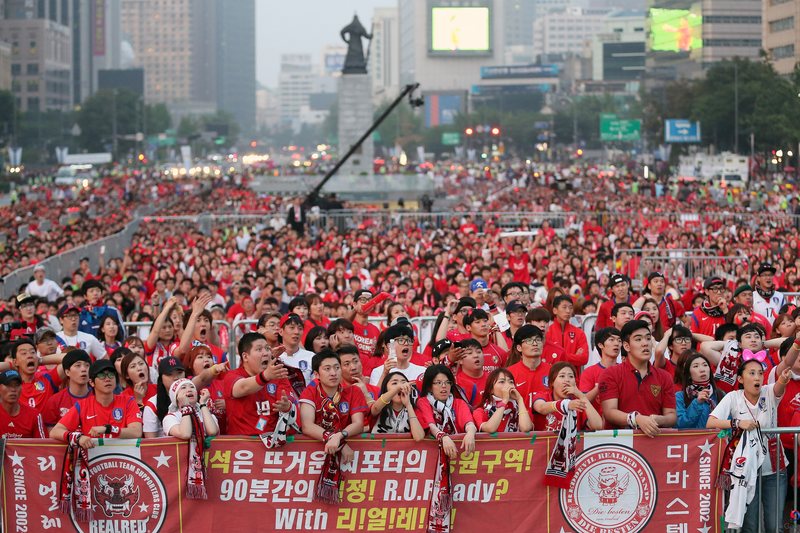
Almost anyone, whenever there is a challenge ahead. Sports fans chant it for the national team, as in 대한민국 파이팅 (Daehan Minguk paiting, “Go, Korea!”). Parents say it to children heading off to an exam. Coworkers toss it around before a big presentation, and plenty of morning messages end with 오늘도 파이팅! (oneuldo paiting!, “You’ve got this today too!”). You will hear it from K-pop idols as well, often with a raised fist.
The word is flexible. It can stand alone, follow a name or a team (우리 팀 파이팅!, uri tim paiting!, “Go, team!”), or become a verb: 파이팅하세요 (paitinghaseyo) is a polite “Give it your best.” Koreans even use it as a noun for drive and energy, so a player who is 파이팅이 넘치는 (paitingi neomchineun) is simply bursting with fighting spirit.
Like the Korean greeting “Have you eaten?”, it is a phrase whose literal meaning tells you very little. What it really says is: I’m on your side.
Where did it come from?
Nobody knows for certain, and Korean columnists have argued about it for years. One popular explanation says the cheer came through Japanese, where faito (ファイト), taken from English “fight,” is also called out to cheer on athletes. Another says “fighting” is a shortened form of the English phrase “fighting spirit.” Neither theory has been settled, so it is fairer to call them theories than history.
That uncertain past is one reason the word has always had critics in Korea. Some feel that a word meaning “combat” makes an odd cheer and could even sound hostile to visitors who take it literally; others dislike its possible Japanese route. Language campaigners have suggested replacements for decades. Most Koreans have kept saying it anyway.
Paiting or hwaiting? The official answer
If you want to write it the “correct” way in Korean, it is 파이팅. Answering a reader’s question in 2024, the National Institute of Korean Language, the government body in charge of standard Korean, confirmed that 파이팅 is the standard spelling: Korea’s rules for writing foreign words turn an “f” before a vowel into ㅍ (p). The institute’s Standard Korean Language Dictionary lists the word as an interjection: a shout athletes use to urge each other to play well, or that supporters use to cheer players on.
In everyday life, though, 화이팅 is everywhere: on banners, in group chats, in the captions that pop up on TV shows. Plenty of Koreans don’t think twice about which one they type, and in English “hwaiting” remains the fan favorite. The meaning is exactly the same.
The Korean words that were meant to replace it
The institute keeps a list of 다듬은 말 (dadeumeun mal, “refined words”), native Korean alternatives to loanwords, and “fighting” is on it. A 1997 collection of everyday loanwords suggested 힘내자 (himnaeja, “let’s find our strength”). In 2004 the institute let the public choose a new one in an online vote, and the winner was 아자 (aja), a short burst of determination. Its list today shows both: 힘내자! and 아자.
Here is the twist. That same year, 아자 아자 파이팅! (aja aja paiting!) became one of the biggest catchphrases in Korea, popularized by hit dramas including KBS’s Full House. Some critics suggested the vote had been swayed by TV. In the end, Koreans did not trade one word for the other. They simply put them side by side, and “aja aja fighting” is still how many people psych themselves up. Korean media revisit these refined words around Hangul Day each October, and “aja instead of fighting” is a familiar example.
If a Korean friend has a big day
- 파이팅! / 화이팅! (paiting / hwaiting): upbeat and casual. Perfect for friends, classmates and teammates before an exam, an interview, a game or a long shift.
- 파이팅하세요! (paitinghaseyo): the polite version, kinder for someone older than you, a teacher or a boss.
- 힘내 / 힘내세요 (himnae / himnaeseyo): “Hang in there,” “Stay strong.” Softer, and better when someone is already going through a hard time rather than about to start something.
- 응원할게 / 응원할게요 (eungwonhalge / eungwonhalgeyo): “I’m rooting for you.” Warm and personal, lovely in a text.
- 잘될 거야 (jaldoel geoya): “It’ll go well.” A gentle line for the night before.
- Not for grief. “Fighting” is for a challenge ahead. When someone has lost a loved one, a quiet word or simply being there means far more than a cheer.
Korean insider tip: If the big day is an exam, back up your 파이팅 with a snack. Koreans give test-takers 엿 (yeot, sticky taffy) or 찹쌀떡 (chapssaltteok, sticky rice cakes), because 붙다 (butda) means both “to stick” and “to pass an exam.” And skip 미역국 (miyeokguk, seaweed soup) that morning: 미끄러지다 (mikkeureojida), “to slip,” also means to fail, so slippery seaweed is bad luck.

Quick answers
What does hwaiting mean in Korean?
It is a cheer that means “You can do it!” or “Go for it!” It comes from the English word “fighting,” but in Korean it only expresses encouragement and support.
Is it paiting or hwaiting?
The standard Korean spelling is 파이팅 (paiting), according to the National Institute of Korean Language. 화이팅 (hwaiting) is just as common in everyday writing, and it is the spelling most fans know.
Can I say “fighting” to an older Korean?
Yes. It is a friendly cheer at any age. With elders, teachers or a boss, the polite 파이팅하세요 (paitinghaseyo) or 힘내세요 (himnaeseyo) sounds more respectful.
Getting there
Gwanghwamun Square, the plaza where fans gather to cheer the national team 광화문광장
- Subway
- Line 3, Gyeongbokgung Station, Exit 6 (toward the Government Complex and Gwanghwamun); or Line 5, Gwanghwamun Station, through the Haechi Madang underground passage or Exit 7
- Hours
- Open 24 hours, all year (it is an open public square)
Checked on November 5, 2026; confirm on the official site before you go.