“Have You Eaten?” The Korean Greeting That Really Means “I Care”
In Korea, “Have you eaten?” is less a question about lunch than a way of saying hello, and of checking that you're okay.
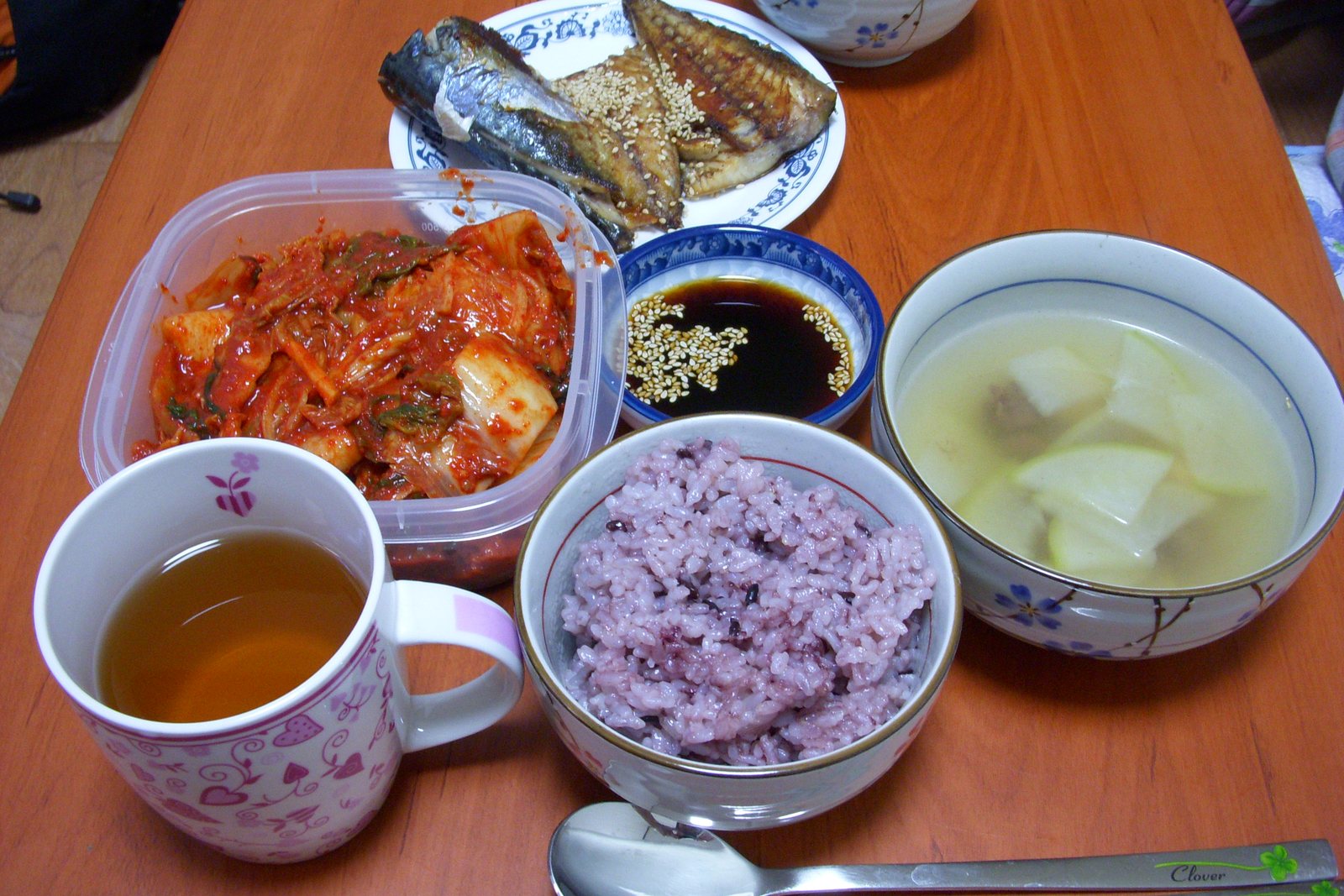
Call a Korean friend at almost any hour and there's a good chance the conversation will open with 밥 먹었어? (bap meogeosseo?), "Have you eaten?" Run into an older neighbor in the elevator and you may hear the polite version, 식사하셨어요? (siksahasyeosseoyo?). Neither of them is actually asking for your menu.
In everyday Korean, "Have you eaten?" works much like "How are you?" It's a greeting, and folded inside it is a small act of care: Are you looking after yourself? Are you all right? The ideal answer is short and warm, such as 네, 먹었어요 (ne, meogeosseoyo, "Yes, I have"), followed by the same question back.
One question, three levels of politeness
Korean changes its words depending on who you're talking to, and this greeting is a neat example. The word 밥 (bap) means cooked rice and, by extension, a meal.
- 밥 먹었어? (bap meogeosseo?): casual, for friends, younger siblings and people you're close to.
- 식사하셨어요? (siksahasyeosseoyo?): polite, using 식사 (siksa), a more formal word for a meal. You'll hear it constantly at work, especially around lunchtime.
- 진지 드셨어요? (jinji deusyeosseoyo?): honorific. 진지 (jinji) is the respectful word for a meal, used for grandparents and other elders.
Saying "not yet," 아직이요 (ajigiyo), is perfectly honest. Just be prepared: there is a real chance the other person will take it literally and try to feed you.
Where does the greeting come from?
No one can point to the day this greeting was born, so treat any single origin story with care. The explanations most often cited, in Korean media and in everyday conversation alike, lead to the same place: for much of Korean history, a full meal could not be taken for granted.
- A rice-farming society. For centuries, most Koreans lived by farming, and whether the household had enough grain shaped daily life.
- The "barley hump." Older Koreans still speak of 보릿고개 (boritgogae), the lean spring months when the previous autumn's grain had run out and the barley was not yet ripe. According to the Encyclopedia of Korean Culture, a 1930 survey counted about 1.25 million farm households, 48 percent of the total, that ran out of grain in that season and got by on roots and tree bark. The boritgogae gradually faded from the 1960s onward, as improved rice varieties and more fertilizer helped the country feed itself.
- The years after the Korean War. In the hard decades that followed the war of 1950 to 1953, asking whether someone had eaten was often a practical question, not small talk.
As Korea JoongAng Daily has noted, some see these food greetings as remnants of war and poverty, but they also reflect how central meals, and sharing them, are to Korean culture. Similar greetings exist elsewhere in Asia, including in Chinese, which is one reason many people see the habit as rooted in long farming traditions rather than in a single event.
"Let's eat sometime" (maybe)
Then there is 밥 한번 먹자 (bap hanbeon meokja), "Let's grab a meal sometime," often with 언제 (eonje, "sometime") in front. It may be the most cheerfully misunderstood sentence in Korean. The feeling behind it is real: I like you, let's stay in touch. But it is usually a warm way to say goodbye, not a booking. A genuine plan arrives with details: a day, a time, a place.
Newcomers to Korea sometimes wait weeks for a meal that was never on anyone's calendar; in a 2025 Segye Ilbo column, a doctoral student from Myanmar described waiting months for exactly that. If you'd like the meal to happen, the trick is simple: answer with a date. 좋아, 다음 주 목요일 어때? (joa, daeum ju mogyoil eottae?), "Great, how about next Thursday?"
Food as a love language
The care tucked inside "Have you eaten?" runs all through the Korean language, starting with the two phrases that frame every meal. Before eating, people say 잘 먹겠습니다 (jal meokgetseumnida), literally "I will eat well." Afterward, it's 잘 먹었습니다 (jal meogeotseumnida), "I ate well." Neither is a prayer. Both are thank-yous aimed at the people behind the food: whoever cooked, whoever is paying, and often the restaurant staff as you head out the door. If a Korean colleague treats you to lunch, these two lines are the bare minimum, and they go a long way.
The everyday vocabulary tells the same story:
- 식구 (sikgu), one of the words for family, is written 食口 in Chinese characters: "eating mouths." Dictionaries define it as the people who live under one roof and share their meals.
- 한솥밥을 먹다 (hansotbap-eul meokda), "to eat rice from the same pot," means to belong to the same team or workplace.
- 밥심 (bapsim), "rice strength," is the energy you get from a proper meal. The National Institute of Korean Language lists it as standard Korean, and plenty of Koreans swear they run on it.
- 밥은 먹고 다니니? (babeun meokgo danini?), "Are you eating properly?", is the question parents ask children who live away from home, often before anything else.
The phrase carries so much weight that one of the most quoted lines in Korean cinema is a version of it: 밥은 먹고 다니냐? (babeun meokgo daninya?), from Bong Joon-ho's 2003 film Memories of Murder, delivered in a moment where it means far more than food. In daily life the meaning is gentler. When a Korean asks whether you've eaten, slides the last piece of meat onto your plate, or presses snacks into your hands as you leave, they are saying something they may never say out loud.
If you visit Korea
- Do treat "Have you eaten?" as hello. A quick answer and the same question back is perfect.
- Do use 식사하셨어요? with older people and at work, and save 밥 먹었어? for friends.
- Don't feel interrogated or list everything you ate. A simple yes is enough.
- Do say 잘 먹겠습니다 before a meal someone treats you to, and 잘 먹었습니다 afterward.
- Don't take 밥 한번 먹자 as a confirmed date, or feel hurt if it never happens. If you want the meal, suggest a day.
- Do accept offered food graciously when you can. For many Koreans, feeding you is how affection gets shown.
Quick answers
How do you answer "Have you eaten?" in Korean?
Say 네, 먹었어요 (ne, meogeosseoyo, "Yes, I have") or, with friends, 응, 먹었어 (eung, meogeosseo). Then ask back: 식사하셨어요? to someone older, or just 너는? (neoneun?, "You?") to a friend.
Why do Koreans ask "Have you eaten?" instead of "How are you?"
It is a greeting that shows care. Many people link it to Korea's long history of food scarcity, including the spring hunger known as boritgogae, though no single origin is certain.
Does 밥 한번 먹자 mean they really want to meet?
It means they feel warmly toward you, but it usually isn't a fixed plan until someone names a date.
Sources
- [WHY] 'Have you eaten?' Inside Korea's gastronomic love language (Jan. 20, 2024) — Korea JoongAng Daily
- 보릿고개 (Boritgogae, the spring hunger season) — Encyclopedia of Korean Culture
- 밥심 (Bapsim) as a standard Korean word — National Institute of Korean Language
- '밥 한번 먹자' 약속인가 인사인가 ("Let's eat sometime": a promise or a greeting?, Nov. 12, 2025) — Segye Ilbo
- 끼니를 같이하는 사람이 '식구'다 (Sikgu: the people you share meals with, May 9, 2022) — Kyunghyang Shinmun