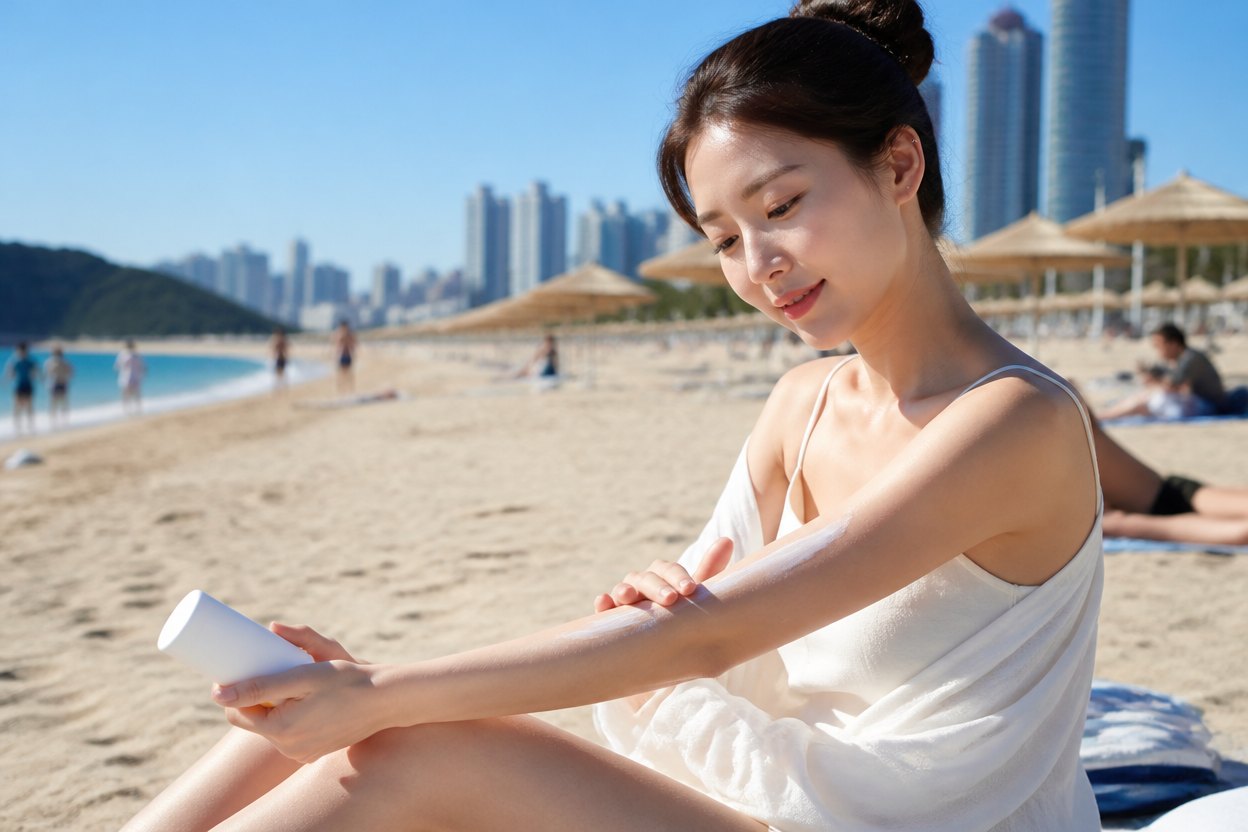
Korea's food and drug ministry has advice for a situation most people never think about: which sunscreen to wear when you are staying indoors. For a day at home or at the office, or a short spring walk, the Ministry of Food and Drug Safety (MFDS) says SPF 15 and PA+ or higher will do. That one line says a lot. In Korea, 선크림 (seon-keurim, "sun cream") is not a beach product. It is the last step of an ordinary morning.
So why does Korean sunscreen feel different, and why might the bottle sold in the US not be the same? Because the two countries file sunscreen under different rules. Korea treats it as a cosmetic and allows about 30 UV filters, which gives brands more tools for light, wear-every-day formulas. The US regulates it as an over-the-counter drug with a much shorter list, so the same brand often sells a different formula there. In a small test published in July 2026, Consumer Reports found that the US versions of three Korean brands gave clearly weaker protection against UVB, the rays behind sunburn.
A morning habit, not a beach item
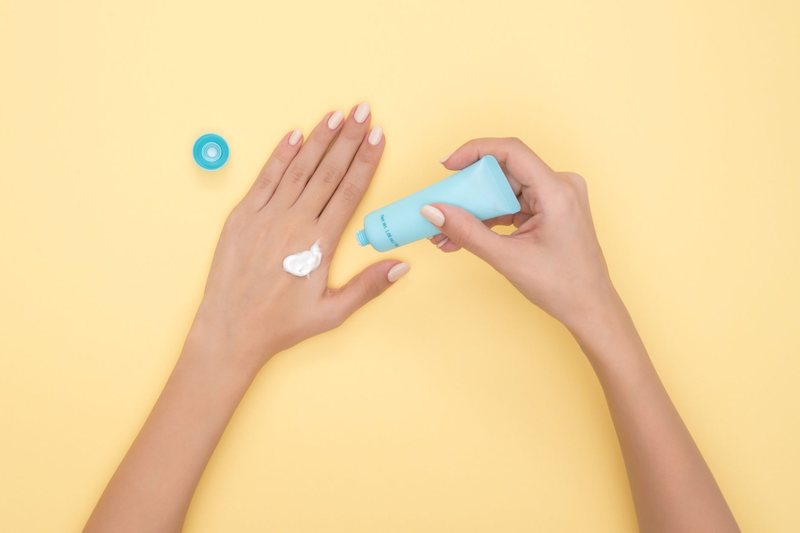
For many Koreans, sunscreen is simply the last step of the morning routine, rain or shine. The Korea Meteorological Administration forecasts the UV index all year round, and the MFDS even spells out the dose: about 0.8 grams for an adult face, close to the familiar "two-finger rule."
Stores see the habit in their numbers. In spring 2023, Olive Young said its sun care sales from April 1 to 18 were up 60% on a year earlier, and an Olive Young official said sunscreen had settled into the skincare routine once mask rules were lifted. Its top seller among both men and women was Round Lab's Birch Juice Moisturizing Sunscreen, a name that returns later in this story. In the first days of the chain's June 2026 sale, 선크림 was the second most-searched word on its online mall.
What does that bestseller cost at home? On November 5, 2026, Round Lab's official Korean online store listed the 50 ml Birch Juice Moisturizing Sunscreen, 자작나무 수분 선크림, at a list price of 25,000 won, on sale for 22,500 won.
A few Korean words help with reviews. 백탁 (baektak) is the white cast, more common with mineral formulas, which Koreans call 무기자차 (mugi-jacha). 덧바르기 (deot-bareugi) means reapplying, and it is why so many people carry a sun stick or spray, formats Olive Young describes as easy to carry and clean on the hands.
Korean insider tip: Heading to the beach or a water park? Look on the box for 내수성 (naesuseong, water resistant) or 지속내수성 (jisok-naesuseong, long-lasting water resistant). Under MFDS rules, brands can print these only after the SPF is re-measured following time in water, and the long-lasting grade is tested with twice as many dips. Your everyday office cream may have neither label, so check before you swim.
How to read a Korean sunscreen label
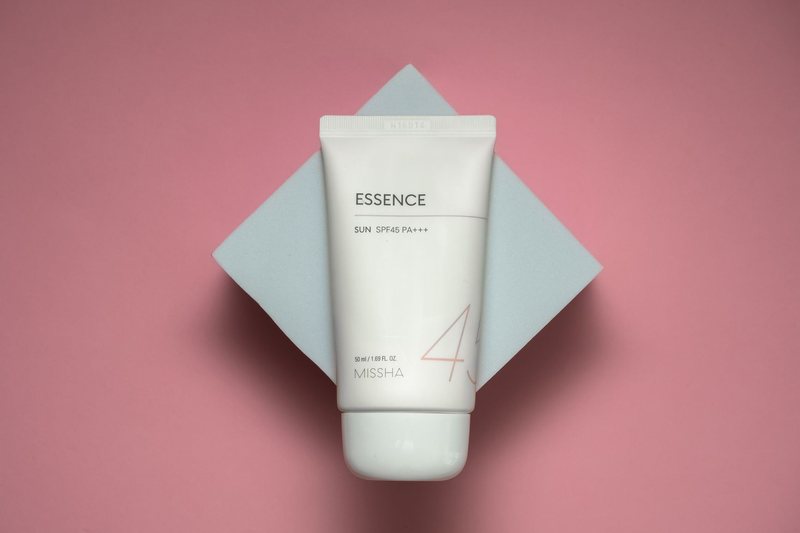
- SPF rates protection against UVB. Korean labels stop at SPF 50+, and the MFDS warns that above 50 the real difference is small.
- PA grades protection against UVA, from PA+ to PA++++. The top grade, for a UVA protection factor of 16 or more, arrived in December 2016, partly to match Japan and China. US labels have no PA grade; they say "broad spectrum" instead.
- 기능성화장품 (gineungseong hwajangpum, functional cosmetic) is the legal category for Korean sunscreens: each one is reviewed by or reported to the MFDS before sale. Our guide to spotting fake K-beauty covers the rest of the box.
One brand, two rulebooks
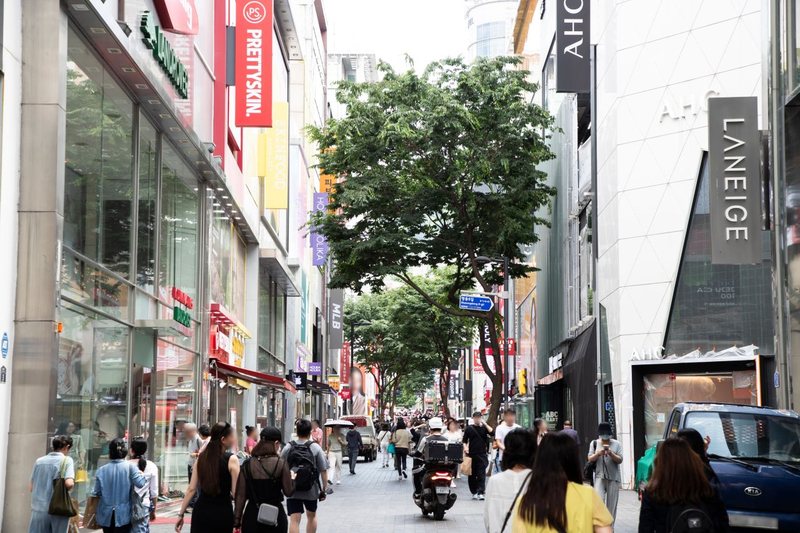
In the US, sunscreen is a drug, and adding a UV filter takes a long, data-heavy review; Consumer Reports counts 17 filters approved by the Food and Drug Administration (FDA) before June 2026. Korea, like the European Union, regulates sunscreen as a cosmetic, and its list runs to about 30. Popular Korean formulas often combine filters still missing from the US list, such as Uvinul A Plus, Tinosorb M and Uvasorb HEB, The Korea Times reports.
So brands either make separate US formulas or step back. Korea JoongAng Daily reported that in February 2025, Beauty of Joseon pulled four sunscreens from the US market, including Relief Sun, and released two US-only versions; a month later, SKIN1004 removed all its sunscreens from its US product page. Fans on TikTok and Reddit described panic-buying the Korean formulas. Many blamed MoCRA, a 2022 US cosmetics law, but it does not cover SPF products: American sunscreens have followed drug rules for far longer.
What Consumer Reports found in 2026
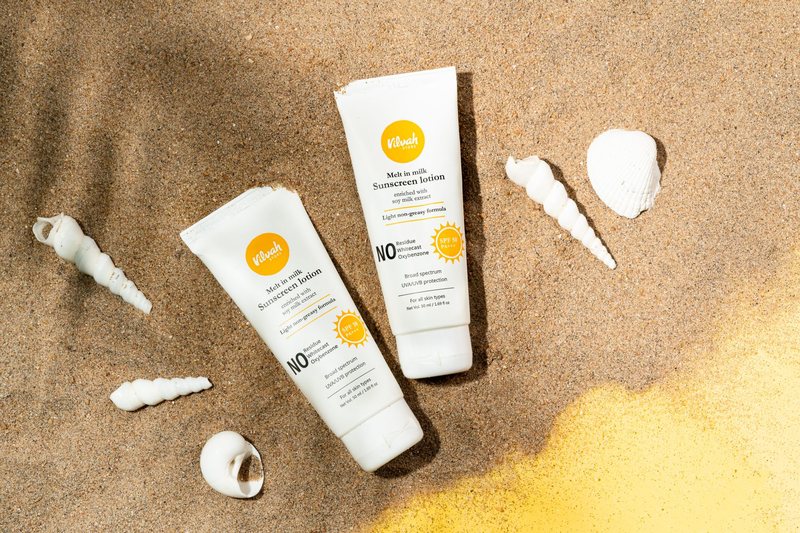
On July 10, 2026, Consumer Reports (CR) compared a Korean and a US formula from each of three brands, buying the Korean ones from overseas websites. Average measured SPF, with the label claim in brackets:
- Beauty of Joseon: Korean Relief Sun (50+) 36; US Day Dew Sunscreen (50) 19.
- Innisfree: Korean Intensive Long Lasting Sunscreen EX (50+) 48; US Daily UV Defense (36) 16.
- Round Lab: Korean Birch Juice Moisturizing Sunscreen (50+) 46; US Birch Juice Mild Up Sunscreen UVLock (50+) 16.
UVA scores matched for two of the three pairs, so the big gap was in UVB. The fine print matters. SPF was tested on three people, fewer than the FDA protocol calls for, though CR says it checked the results statistically, and even the Korean formulas came in below their 50+ labels. CR did not rate the Korean versions, because they do not meet FDA rules and cannot legally be sold in the US, and it warned that a package flagged at the border may be confiscated.
The texture result may surprise fans. A blind panel of trained testers found all six much alike: they took effort to rub in, felt greasy and left a white cast at first, then mostly absorbed within about 10 minutes, leaving a dewy finish. The CR expert who oversaw the panel said the claim that Korean sunscreen feels like "wearing nothing at all" did not match the testers' experience. In this test, the real difference was in the numbers, not the feel.
Bemotrizinol: a door opens, slowly
On June 9, 2026, the FDA announced bemotrizinol, also sold as Tinosorb S, as the first new sunscreen active ingredient since the late 1990s. The order allows it at up to 6% for adults and children 6 months and older, and it took effect on August 9. The filter covers both UVA and UVB and has been used for years in Europe and Korea; CR notes it is one of the filters in Innisfree's Korean formula.
It will not put Korean bestsellers on US shelves overnight. Many rely on other filters that are still not allowed, so most US-bound products will be developed from scratch, Korea JoongAng Daily reported. Cosmax, a major Korean contract manufacturer, began designing US formulas with the ingredient in late 2025, and Kolmar Korea expects such products to arrive in earnest in the second half of 2027.
If you buy Korean sunscreen outside Korea
- Check the product name, not just the brand. In CR's test, every US version had a different name from its Korean sibling.
- Compare ingredient lists. Korean boxes print the full list under 전성분 (jeon-seongbun). Outside the US, which formula reaches you depends on local rules and each brand's export plans.
- Buy where the brand says it sells. Many brands list official stores and authorized retailers on their global websites.
- Use enough, then reapply. The MFDS suggests about 0.8 grams for the face and a fresh layer every two hours during long stretches outdoors. Sticks and cushions need several passes.
Quick answers
Is Korean sunscreen better than American sunscreen?
Not automatically. Korean brands can choose from more UV filters, and in CR's small 2026 test the Korean versions of three brands protected better against UVB. Wherever it comes from, CR's basic advice holds: broad spectrum, SPF 30 or higher, reapplied every two hours.
Is the US Beauty of Joseon sunscreen the same as the Korean one?
No. The US Day Dew Sunscreen is a different product from the Korean Relief Sun. In CR's test, the Korean one measured SPF 36 and the US one 19.
Is Korean sunscreen banned in the US?
There is no ban aimed at Korea. US sunscreens must follow FDA drug rules, so Korean formulas that rely on filters the FDA has not approved cannot legally be sold there. Brands sell separate US versions instead.