All stories
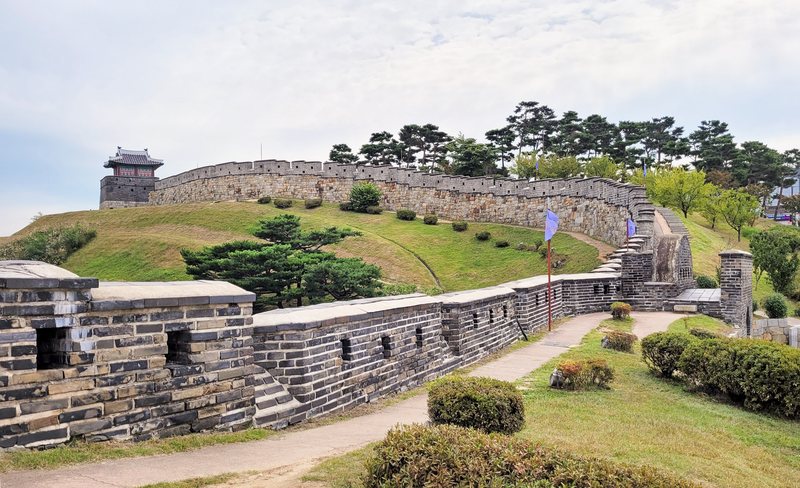
The King Who Built a Whole City for His Father
King Jeongjo moved his father's tomb to Suwon, then built a walled city there. Walk Hwaseong and you'll see why hyo still shapes Korean family life.
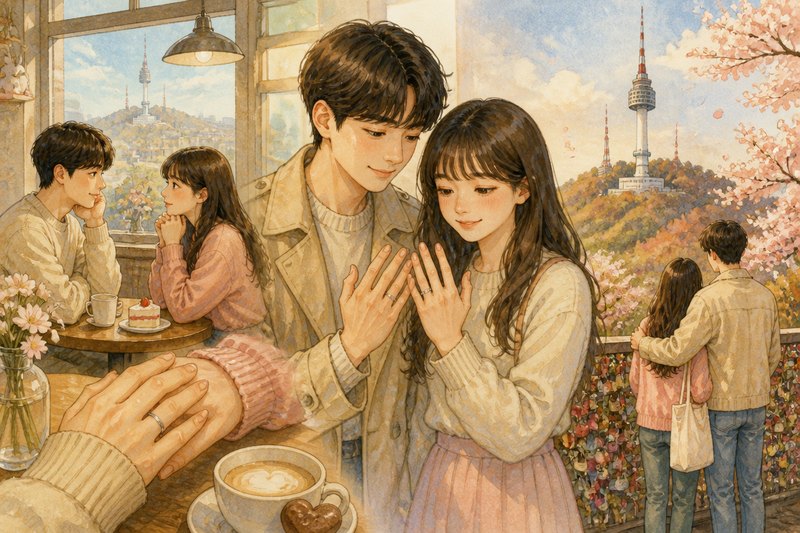
Day 1, Day 100, Day 1,000: Inside Korea's Couple Culture
Matching rings, goodnight texts and a couple's holiday almost every month. Here is how dating works in Korea, and why no two couples do it the same way.

Brazil Sang 'Maria' in Korean: K-pop's First Night at Rock in Rio
A sold-out Rio crowd sang Hwasa's 'Maria' in Korean and lit up Stray Kids' set with lightsticks. Here is why Korea was watching.

Fewer Wrist Grabs, More Blind Dates: How Dating in Korea Really Works
The wrist grabs and chaebol heirs stay on screen. Real dating in Korea runs on friends' setups, busy schedules and a habit of counting days.
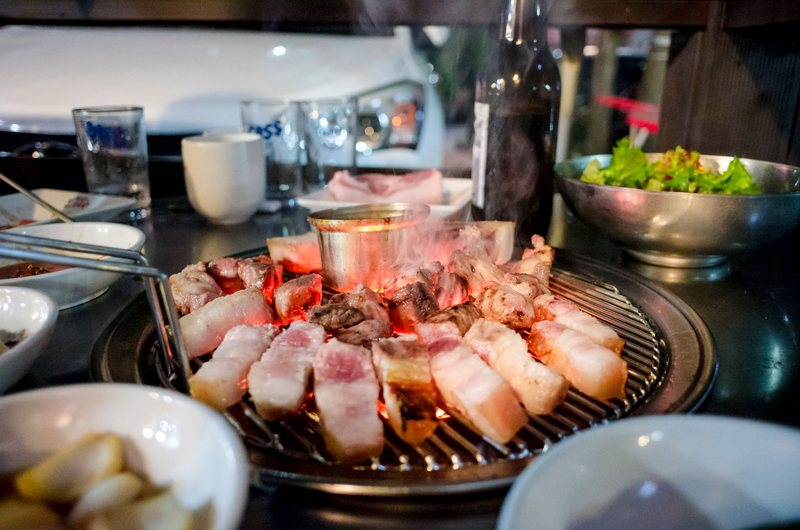
Who Grills, Who Wraps: The Unwritten Rules of Korean BBQ
The tongs, the scissors and even the lettuce come with unwritten rules. Here is how a Korean barbecue dinner works, from first sizzle to fried rice.
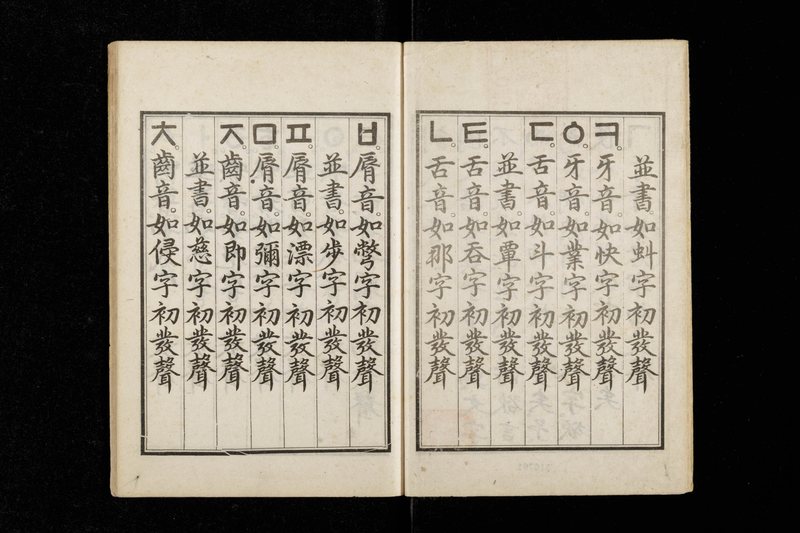
Hangul Day: The King Who Built an Alphabet Anyone Could Learn
Every October 9, Korea takes a day off to thank a 15th-century king. His gift was 28 letters drawn from the mouth, the sky and the earth.
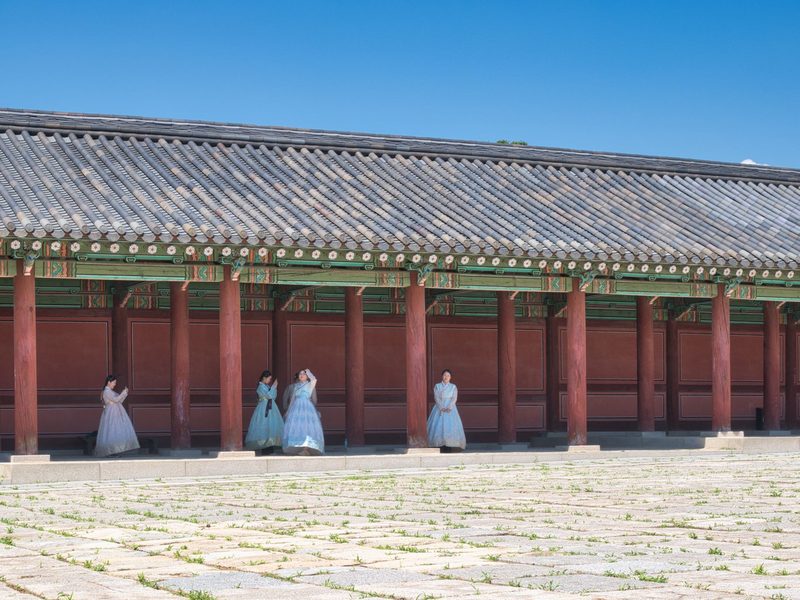
Wear Hanbok, Walk In Free: Seoul's Palace Rules, Explained
Put on a hanbok and the palace gate waves you through — if your outfit passes the check. What counts, where it works and where it doesn't.
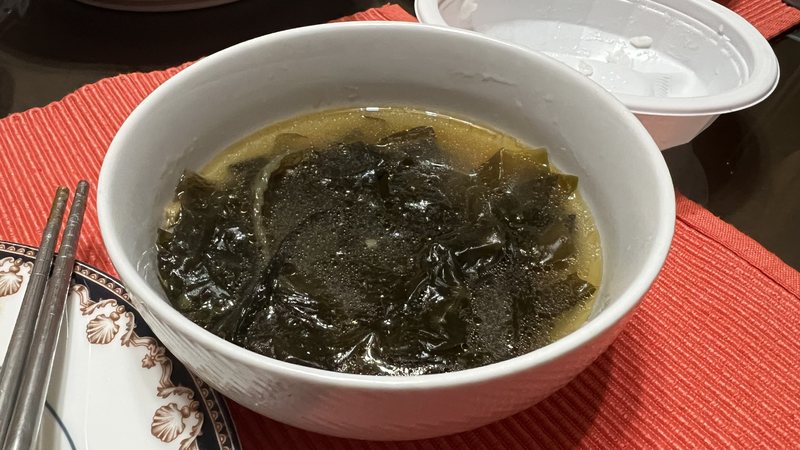
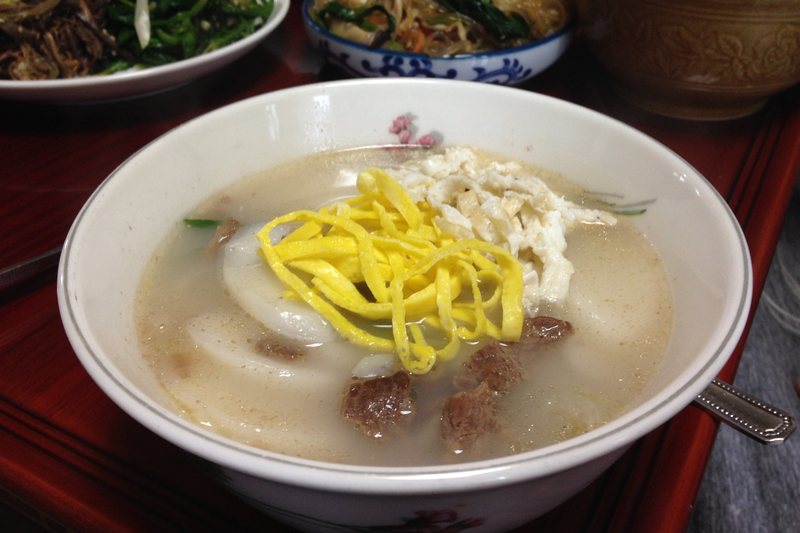
The Birthday Soup That Is Really a Thank-You to Mom
Every Korean birthday starts with the same humble bowl. Its story involves new mothers, a birth spirit and an old tale about whales.
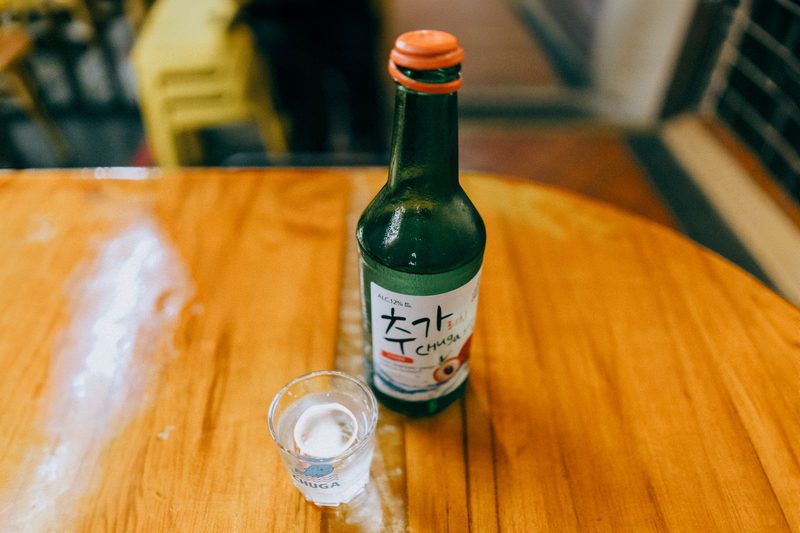
Two Hands and a Turned Head: Drinking With Elders in Korea
Why Koreans pour with both hands, look away to sip and never fill their own glass, and how a new generation is easing the rules.
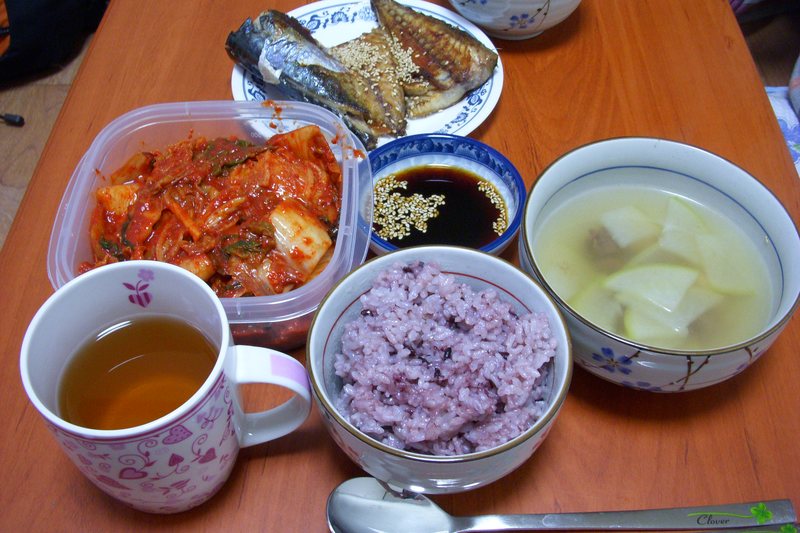
“Have You Eaten?” The Korean Greeting That Really Means “I Care”
In Korea, “Have you eaten?” is less a question about lunch than a way of saying hello, and of checking that you're okay.
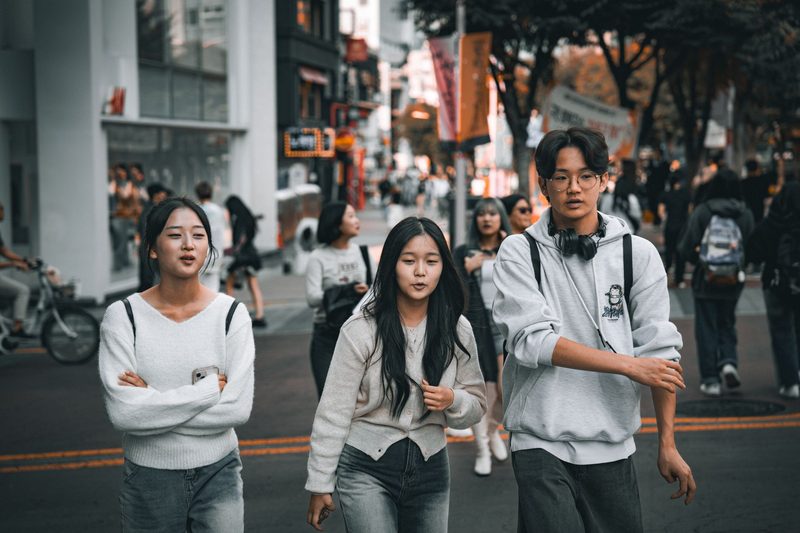
Oppa, Unni, Hyung, Noona: Why Koreans Call Friends Family
It means 'older brother' — but only when a woman says it, and it can mean much more. A guide to Korea's family words for friends.
Why Koreans Had Three Ages — and Which One Counts Now
Born on December 31, two years old the next morning? Here's how Korea counts age — and what changed in June 2023.
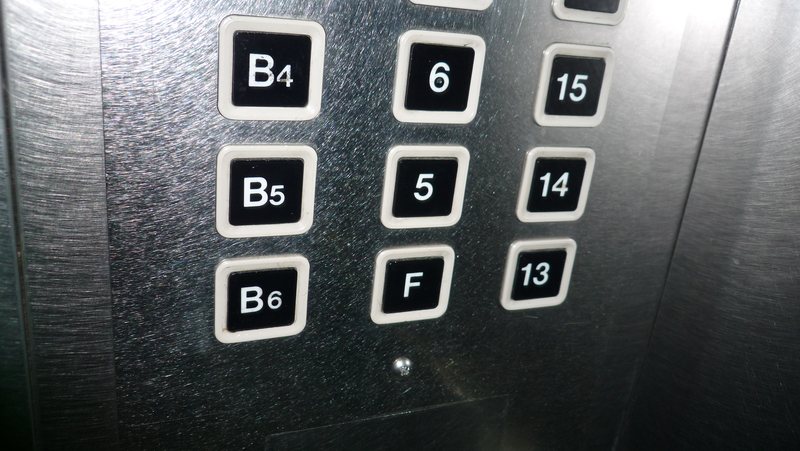
The Missing Fourth Floor: Why Koreans Tiptoe Around the Number 4
Elevators that go 1, 2, 3, F and an airport with no Gate 4: one Korean syllable explains it all. Here's how seriously people still take it.

Not in Red: Why Koreans Never Write a Living Person's Name in Red
Red pens are fine for grading homework. Red names are another story. Here's where the taboo comes from, and what to use instead.

Ppalli-ppalli: Inside Korea's Everyday Love Affair With Speed
Dawn deliveries, lightning internet, a well-worn "close door" button. Why Korea runs so fast — and why more Koreans are learning to slow down.
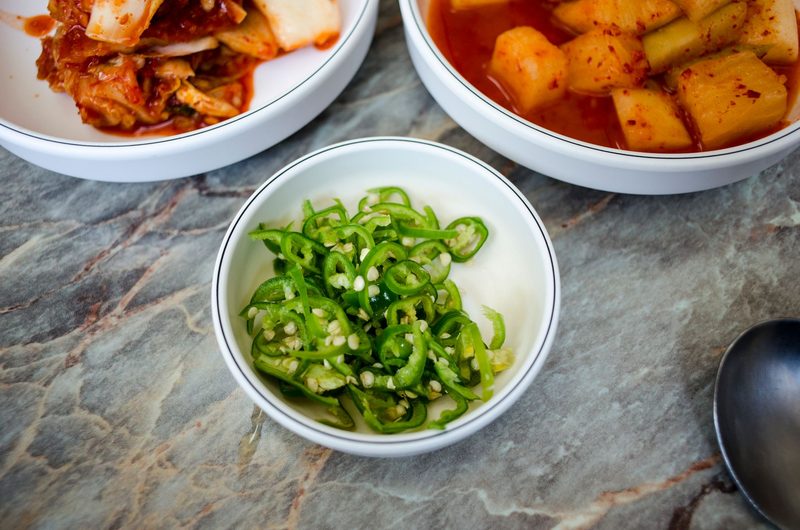
Banchan: Why a Korean Meal Arrives With a Table Full of Little Plates
Order one stew in Korea and the table fills with little plates. Here's why banchan come free, how refills work, and how to share them politely.
The Korea Letter
Every Friday: the week’s new stories, explained by Koreans — in your language.